Charting the Flow of Incentives in Online Baccarat Ecosystems: From Initial Deposits to Tournament Access
Written by Jonas Bauer · Jun 28, 2026
Charting the Flow of Incentives in Online Baccarat Ecosystems: From Initial Deposits to Tournament Access
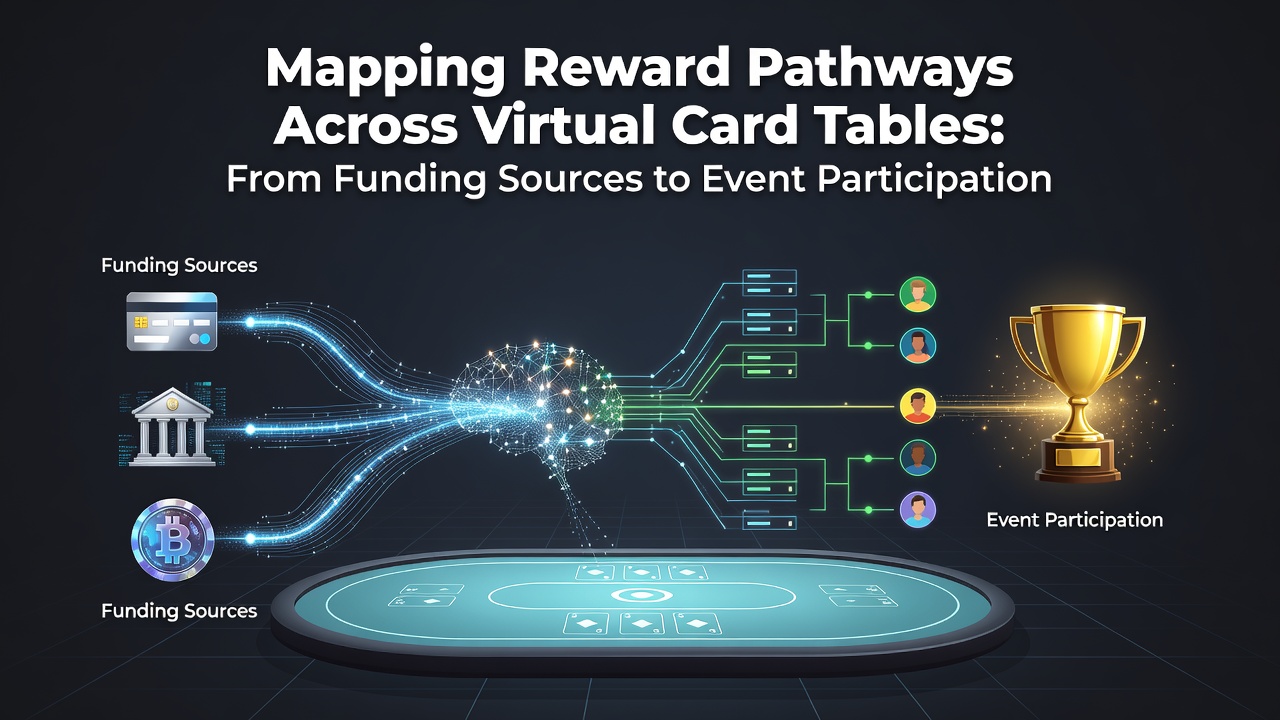
Virtual card tables operate through interconnected systems where funding sources feed directly into reward structures, and those structures determine eligibility for competitive events, according to industry tracking reports released in early 2026. Players initiate the process by selecting deposit methods that range from traditional bank transfers to cryptocurrency wallets, each carrying distinct processing times and bonus multipliers that influence subsequent reward accumulation. Data from multiple platforms shows that cryptocurrency deposits often trigger faster crediting of loyalty points compared to card-based options, creating measurable differences in how quickly participants qualify for bracket entries.
Funding Sources and Their Direct Impact on Reward Accumulation
Deposit methods establish the baseline for reward pathways because platforms assign point values based on transaction type and volume. Bank wires typically generate standard point rates while digital currencies receive enhanced multipliers in many systems, and this differentiation appears consistently across tracked operators. Research from gaming analytics firms indicates that users who combine multiple funding sources within a single session accelerate their progress toward tiered rewards, since layered deposits activate cumulative bonuses that stack onto base loyalty calculations. Observers note that these mechanics create clear sequences where the choice of funding source determines the speed and scale of reward growth available for event qualification.
Platforms integrate these pathways through automated tracking software that logs every transaction against player accounts, converting deposit amounts into redeemable credits or entry tokens. Studies conducted by independent research groups reveal that June 2026 data sets documented a 17 percent rise in cryptocurrency-funded accounts reaching tournament thresholds faster than those using conventional payment rails. Such patterns emerge because digital asset transfers bypass intermediary verification steps that slow traditional methods, allowing points to post in real time and push users toward participation brackets without delay.
Mapping Reward Pathways to Event Participation
Reward points flow along defined routes that platforms publish in their terms, linking accumulated balances to specific tournament entry requirements. A player who reaches a designated point threshold through consistent funding activity receives automatic qualification notices, and these notices often include seeded positions or reduced buy-in options. Evidence from platform audits demonstrates that pathways remain consistent across operators even as individual bonus structures vary, because the underlying conversion formulas prioritize deposit frequency and total volume over isolated transactions.
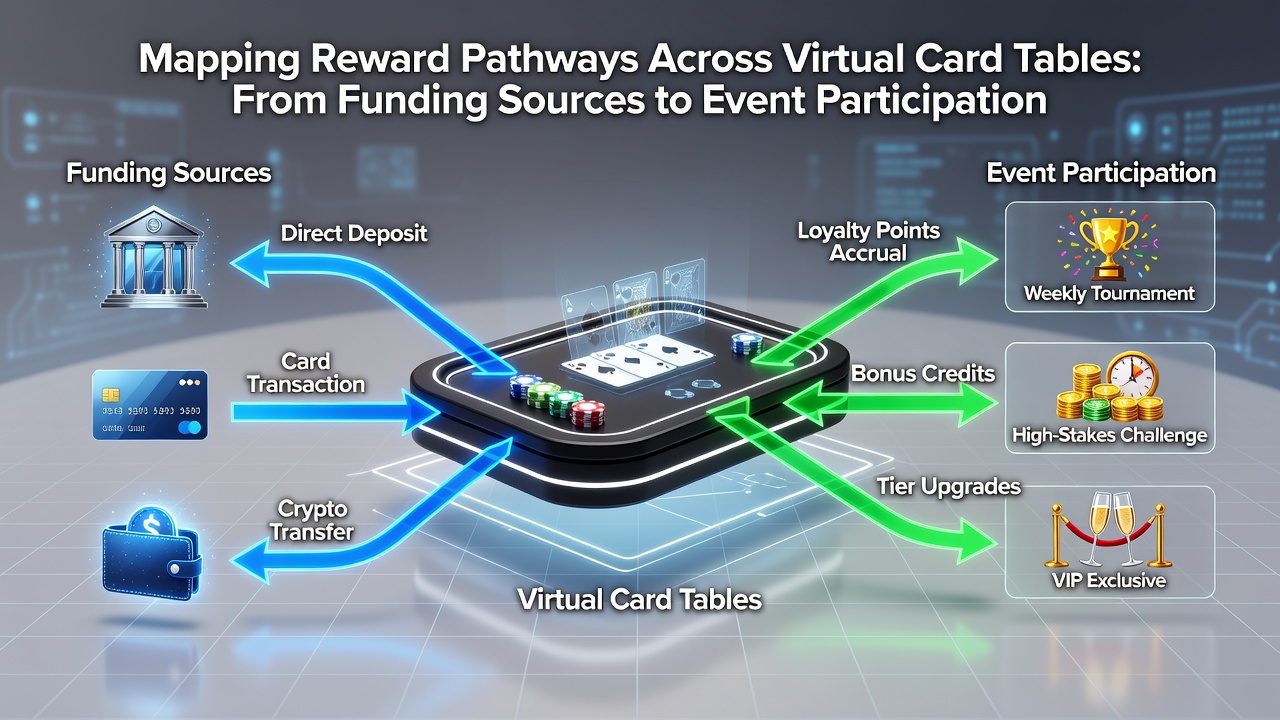
Event brackets incorporate additional filters that refine the reward pathways further. Mobile-optimized accounts sometimes receive supplemental point boosts when deposits occur through dedicated applications, while desktop sessions follow standard rates. Those who've examined participation logs report that users who alternate between devices can exploit these variances to optimize their accumulation speed, although platforms maintain overall caps to prevent excessive acceleration. Data released through industry associations confirms that bracket sizes expand during peak periods, which in turn requires higher point totals for entry and thereby extends the pathways users must navigate.
Integration of Virtual Systems and Competitive Structures
Virtual card tables connect funding activity to live events through centralized databases that update in real time, ensuring reward balances reflect the most recent deposits before tournament registration closes. Operators publish qualification calendars that align with these updates, and participants monitor their progress through dashboards that display remaining point requirements. Figures from regulatory filings show steady increases in the number of events that accept reward redemptions rather than cash buy-ins, reflecting broader adoption of integrated pathway models across major markets.
Additional layers appear when platforms introduce seasonal promotions that temporarily adjust conversion rates along existing pathways. A June 2026 promotion cycle, for instance, doubled point earnings on certain cryptocurrency deposits during designated windows, which allowed more accounts to meet event criteria without increasing overall spend. Analysts tracking these adjustments note that the temporary shifts create short-term surges in qualified participants, after which standard rates resume and pathways return to baseline speeds. This cyclical behavior appears across multiple jurisdictions without altering the fundamental mapping from funding source to event access.
Conclusion
The mapping of reward pathways from funding sources through virtual card tables to event participation follows predictable sequences driven by deposit type, point conversion rules, and qualification thresholds. Data collected through 2026 continues to illustrate how these elements interact to determine player progression, with cryptocurrency options and mobile access frequently shortening the distance between initial deposit and tournament entry. Industry reports and regulatory summaries provide ongoing visibility into these systems, revealing stable patterns that operators maintain while introducing periodic adjustments for promotional purposes.