Decoding Reward Pathways That Link App Interfaces with Digital Currency Transfers in Baccarat Bracket Access
Written by Paul Schwarz · Aug 2, 2026
Decoding Reward Pathways That Link App Interfaces with Digital Currency Transfers in Baccarat Bracket Access
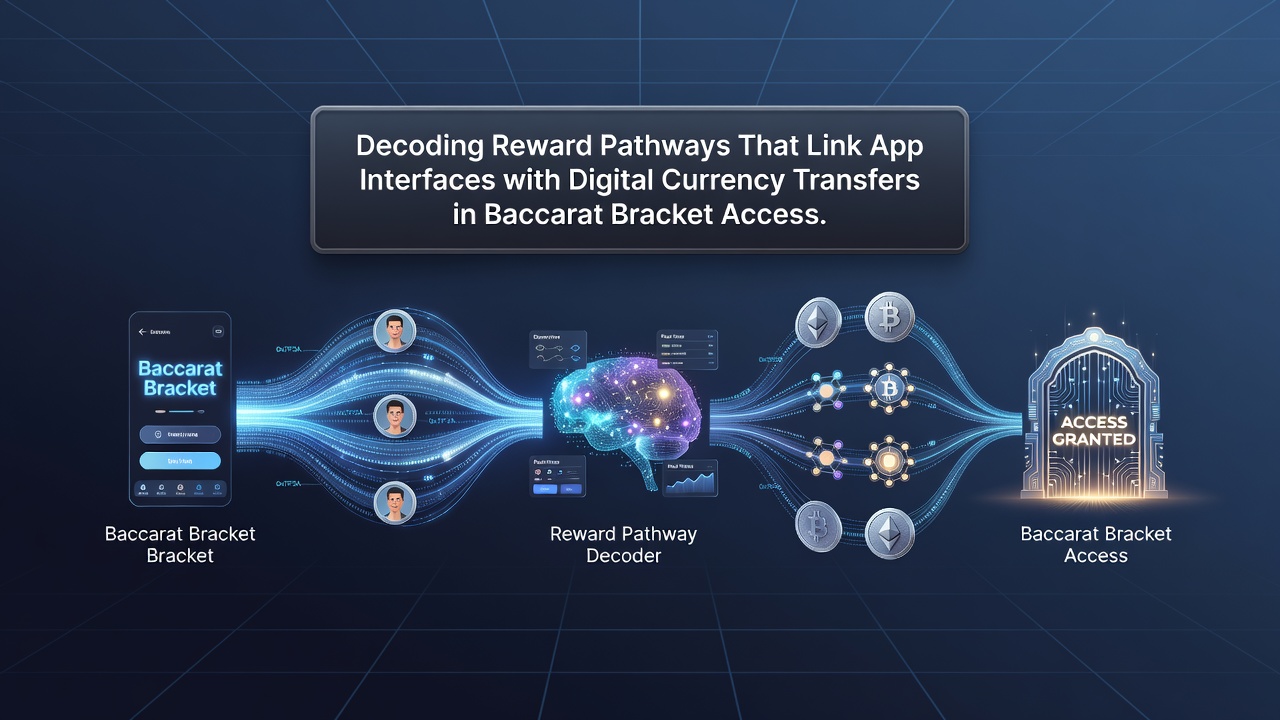
Digital platforms have developed systems that connect mobile application interfaces directly to cryptocurrency transfers, and these pathways determine how players gain entry into baccarat tournament brackets. The process begins when users open an app, select a digital wallet option, and complete a transfer that registers their qualification status in real time.
App developers structure these interfaces so that transaction confirmations trigger automatic updates to user profiles, which then populate bracket lists without additional manual steps. Data from industry reports shows that such integrations reduce processing times from hours to minutes in many cases.
Mechanics of App Interface Design
Interface elements display wallet balances alongside bracket availability, and buttons prompt transfers that meet specific thresholds for event entry. These designs incorporate security protocols that verify each transaction before granting access, which prevents duplicate entries or unauthorized qualifications.
Users navigate menus that list active baccarat events, and the system cross-references transfer amounts against bracket requirements listed in the app. Research indicates that platforms employing this method see higher completion rates for tournament sign-ups compared to those relying on separate banking portals.
Cryptocurrency Transfer Protocols
Digital currency transfers operate through blockchain networks that record each movement with timestamps, and these records feed into the app's reward tracking system. When a transfer reaches the required amount, the protocol sends a confirmation signal that unlocks the bracket slot for the user.
Multiple currencies appear in these systems, including stablecoins that maintain consistent values during transfers. Observers note that platforms supporting several options accommodate users across different regions where regulatory environments vary.
Bracket Access and Qualification Pathways
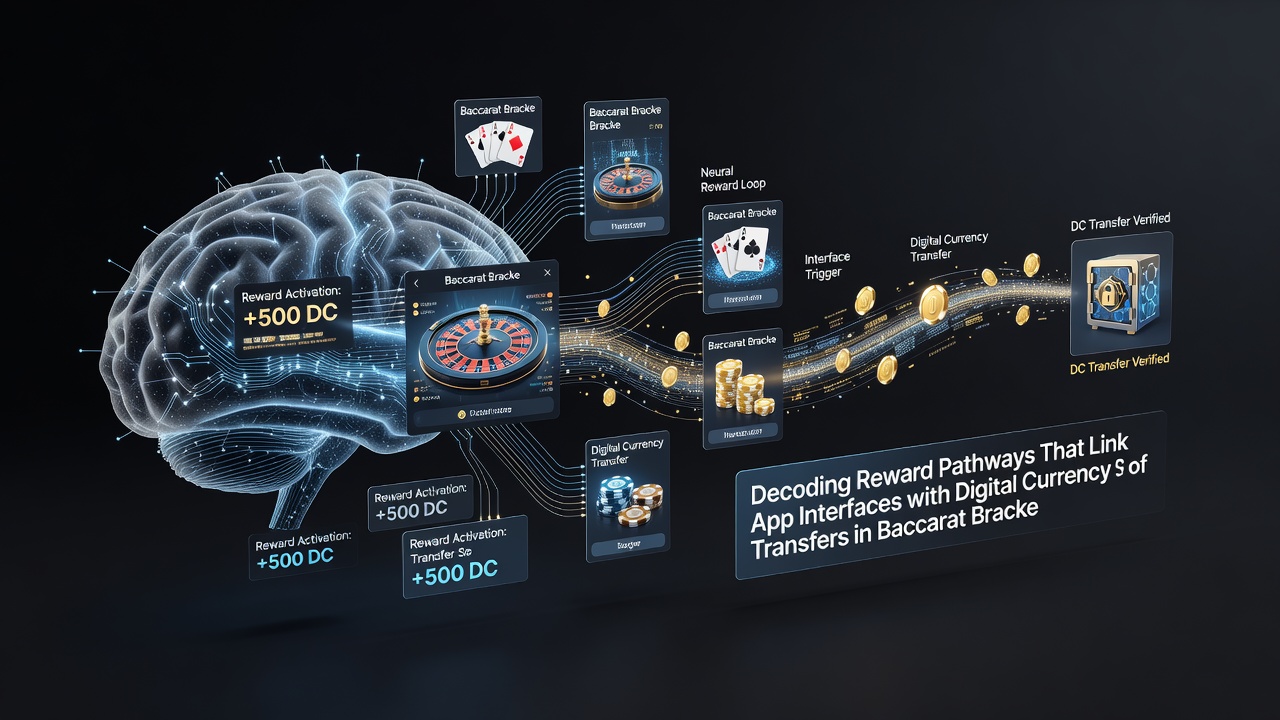
Bracket access depends on cumulative transfer data stored within the app, and systems often award points or direct entries based on transaction frequency and size. In August 2026, several platforms updated their protocols to include progressive qualification tracks that carry over from one month to the next.
Those who complete transfers through the app receive notifications that detail their current standing in open brackets, and the information updates continuously as new transactions process. This approach allows players to monitor eligibility without leaving the interface.
Regional Developments and Regulatory Context
Canadian provinces have expanded online access rules that permit cryptocurrency integrations in gaming apps, according to updates from the Ontario Lottery and Gaming Corporation. These changes align with similar frameworks emerging in other jurisdictions that prioritize secure digital payment methods.
A report from the Australian Institute of Criminology examines how digital transfers influence participation patterns in online table games, and it highlights the role of app-based systems in streamlining entry processes. Data shows steady growth in such features across multiple markets through the first half of 2026.
Integration Challenges and Solutions
Platforms address latency issues by implementing parallel verification steps that run alongside blockchain confirmations, and this dual approach maintains accuracy even during high-volume periods. App updates released in mid-2026 incorporated faster syncing features that reflect transfers within seconds of completion.
Security remains a priority, with encryption applied to both transfer data and bracket records stored on user devices. Those who study these systems report that layered authentication reduces instances of unauthorized access across tested applications.
Conclusion
The connections between app interfaces, digital currency transfers, and baccarat bracket access continue to evolve through technical refinements and regulatory adjustments. These pathways rely on coordinated data flows that register qualifications automatically once transfers meet established criteria. Continued monitoring of platform updates and compliance requirements will shape how these systems function in coming periods.