Exploring Connections Among Mobile Technologies, Digital Payment Systems, and Participation in Baccarat Tournaments
Written by Jonas Bauer · Jun 24, 2026

Exploring Connections Among Mobile Technologies, Digital Payment Systems, and Participation in Baccarat Tournaments
Portable platforms have expanded access to casino games over the past decade, and data from multiple jurisdictions shows rising participation in baccarat tournaments through smartphones and tablets, while digital transfer methods such as cryptocurrency and e-wallets handle entry fees and prize distributions in an increasing number of events. Industry reports indicate that tournament organizers now integrate mobile registration systems with instant payment gateways, creating streamlined pathways from device to competition bracket.
Mobile Platforms in Tournament Registration
Smartphone applications from licensed operators allow users to view upcoming baccarat events, submit entries, and track standings without visiting physical venues. Figures released by the New Jersey Division of Gaming Enforcement show that mobile-originated tournament entries accounted for over 60 percent of total baccarat competition sign-ups during the first quarter of 2026. These platforms typically feature secure login protocols, real-time seat availability, and automated confirmation once payment clears.
Developers have added features such as push notifications for registration deadlines and integrated leaderboards that update during live sessions. Observers note that operators in multiple regions have synchronized these tools with international tournament calendars, enabling players across time zones to join simultaneously.
Digital Transfers and Payment Integration
Cryptocurrency networks and electronic wallet services now process a growing share of tournament fees, with transaction logs revealing average processing times under five minutes for verified accounts. The Macau Gaming Inspection and Coordination Bureau documented a 28 percent increase in crypto-funded baccarat tournament entries between January and May 2026 compared with the same period in the prior year. Payment processors handle both deposits and automated prize payouts, reducing manual reconciliation steps for event organizers.
Many platforms link digital wallets directly to player profiles, allowing instant verification of funds before bracket placement occurs. This connection eliminates separate banking steps and supports cross-border participation where traditional wire transfers face delays or restrictions.
Combined Pathways and Tournament Access
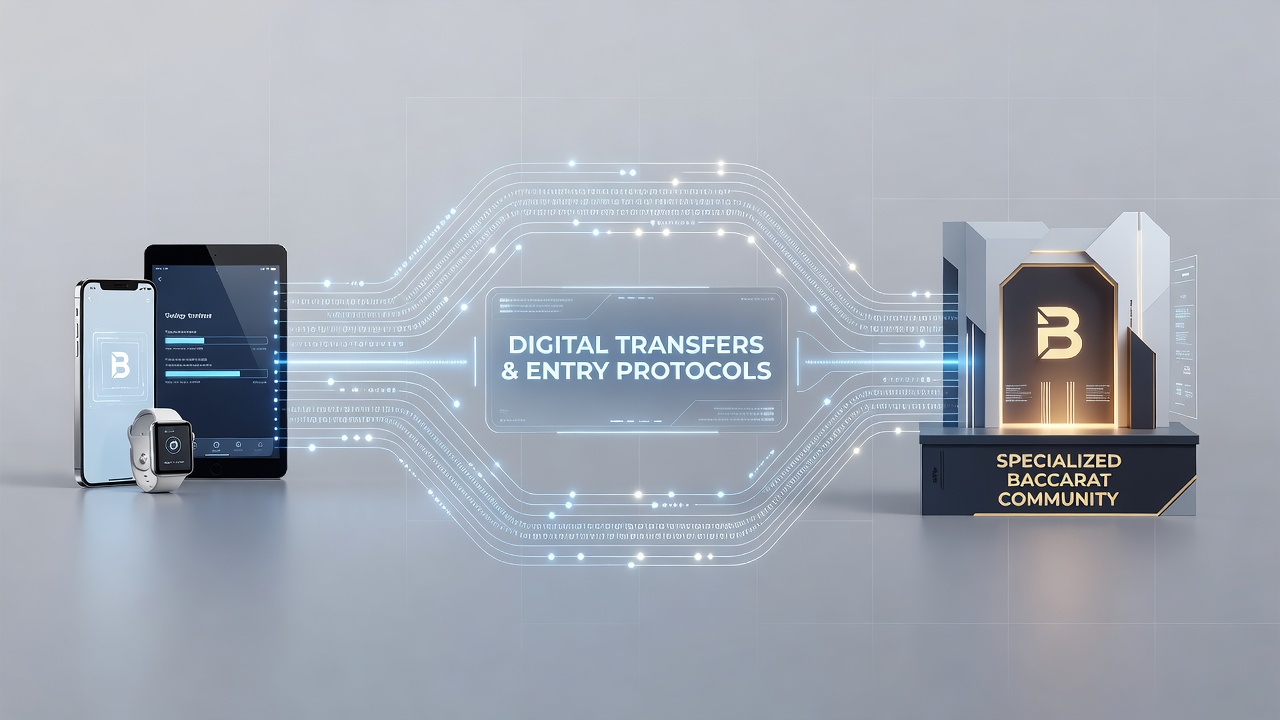
The intersection of mobile interfaces and digital transfers creates direct routes into specialized baccarat competitions. Tournament software records show that players who complete registration and payment on portable devices often receive immediate confirmation and bracket assignments. Research compiled by the University of Nevada, Las Vegas International Gaming Institute indicates that integrated mobile-crypto systems correlate with higher completion rates for entry processes compared with manual methods.
Events scheduled for June 2026 in several North American and Asian markets have adopted these combined systems as standard procedure, according to operator announcements. Participants can fund accounts via blockchain networks, select tournament tiers on their devices, and receive digital tickets without additional verification delays. Data from Canadian provincial regulators further shows that provinces permitting online tournament entries experienced measurable growth in registered players once crypto options became available.
Regional Developments and Data Patterns
European operators have reported similar trends, with the Malta Gaming Authority logging increased mobile tournament traffic tied to digital currency deposits. Australian state gaming commissions have tracked parallel activity in licensed online events, noting that portable platform usage rose steadily through spring 2026. These patterns suggest that the technical linkage between devices, transfers, and entries has become a common operational feature rather than an exception.
Security protocols embedded in both mobile applications and payment rails continue to evolve, with multi-factor authentication and transaction monitoring now standard across major platforms. Tournament administrators rely on these safeguards to maintain compliance while processing higher volumes of entries.
Conclusion
Available records demonstrate that mobile platforms and digital transfer mechanisms have become interconnected components within the structure of specialized baccarat competitions. Statistics from regulatory bodies across North America, Asia, and Europe confirm rising usage of these combined systems for registration and funding. As tournament calendars advance into the second half of 2026, the documented integration continues to shape how participants access events from portable devices through electronic payments.