How Digital Funding Channels Shape Baccarat Tournament Entries and Layered Reward Structures
Written by Jonas Bauer · Jun 17, 2026
How Digital Funding Channels Shape Baccarat Tournament Entries and Layered Reward Structures
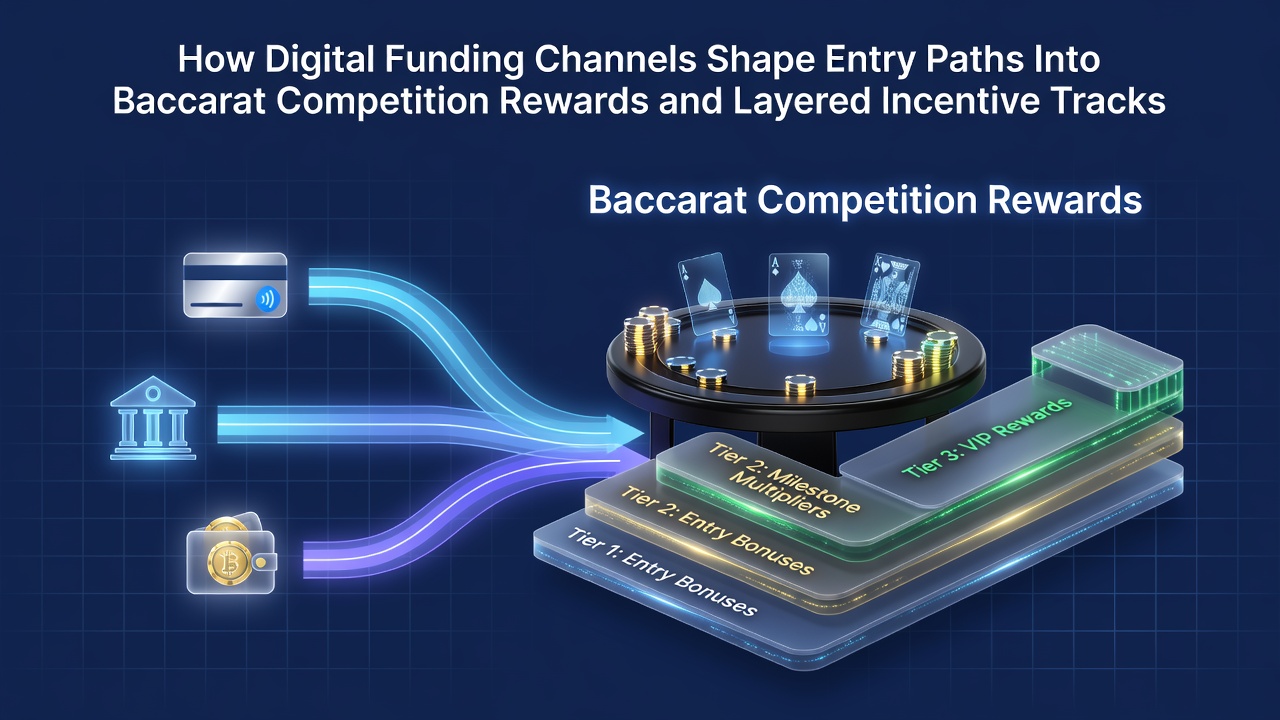
Digital funding channels have transformed how players gain access to baccarat competitions, with instant transfers via cryptocurrencies and e-wallets reducing processing times from days to seconds while simultaneously unlocking tiered reward programs that scale with deposit volume and frequency. Platforms integrate these methods directly into tournament registration systems, allowing participants to meet entry thresholds without traditional banking delays that once restricted spontaneous competition involvement.
Payment Speed and Tournament Qualification Dynamics
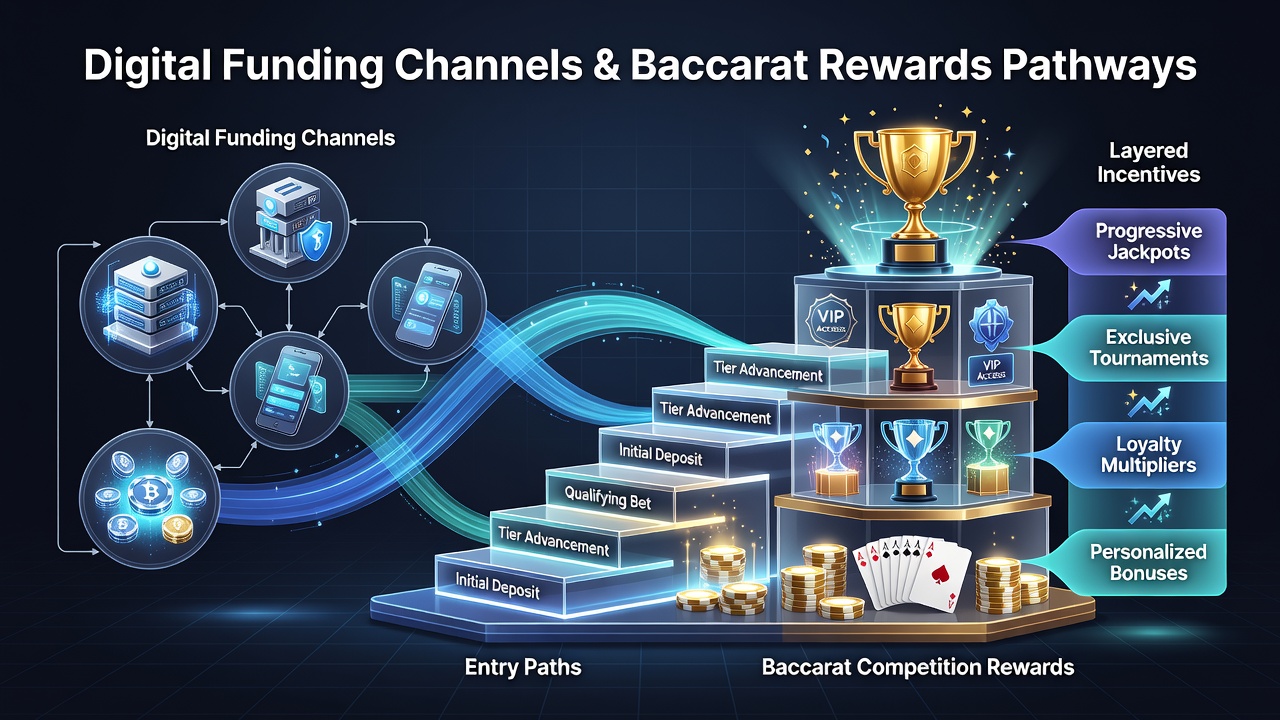
Instant settlement features in digital wallets enable players to complete multiple entry purchases within single sessions, which directly feeds into progressive qualification brackets that reward consistent funding activity over set periods. Research from industry analysts shows that platforms utilizing blockchain confirmations process baccarat event entries up to 40 times faster than legacy wire systems, creating opportunities for participants who monitor real-time leaderboard movements and adjust their funding strategies accordingly. Observers note that this speed advantage compounds when layered incentive tracks activate automatically upon reaching cumulative deposit milestones tracked through the same digital rails.
Cryptocurrency Integration and Reward Multipliers
Many tournament organizers now tie bonus multipliers to cryptocurrency deposits specifically, with structures that grant additional entry credits or prize pool shares based on transaction size and asset type. Data indicates these arrangements emerged prominently as operators sought to stabilize revenue streams during periods of regulatory flux across multiple jurisdictions. Players who route funds through stablecoins often encounter fewer conversion fees, which preserves more capital for repeated entries into successive competition rounds and accelerates progress along incentive ladders that unlock higher-value rewards at each tier.
Regional Developments Around Mid-2026
By June 2026 several North American and European operators had synchronized their digital funding protocols with updated tournament calendars, resulting in synchronized launches of multi-layered incentive programs accessible exclusively through verified crypto or instant bank transfer channels. These updates coincided with expanded mobile application features that display real-time funding history alongside current position within reward tracks, allowing participants to plan deposits that maximize point accumulation without manual tracking. Figures from gaming associations reveal increased participation rates in baccarat events following these integrations, particularly among users who previously faced geographic restrictions on traditional payment methods.
Security Protocols and Compliance Layers
Enhanced verification processes built into digital funding systems add security checkpoints that simultaneously serve as entry validation steps for competition organizers, reducing instances of duplicate or fraudulent registrations. According to reports published by the Alcohol and Gaming Commission of Ontario, platforms employing multi-factor authentication for funding transactions experienced measurable declines in disputed entries during the first half of 2026. These same checkpoints feed data directly into automated reward engines, ensuring that only compliant funding activity contributes toward incentive track progression and preventing manual overrides that once complicated fair distribution of prizes.
Layered Incentive Mechanics in Practice
Operators structure reward tracks so that each successive funding threshold activates new benefit categories, ranging from additional tournament tickets to exclusive side-event access and percentage-based rake rebates. One documented case involved a European platform that linked stablecoin deposit streaks to escalating prize multipliers, with participants reaching the fifth consecutive week automatically qualifying for higher-stakes baccarat brackets. Such designs encourage sustained engagement rather than one-time entries, and the underlying algorithms adjust thresholds dynamically based on aggregate platform activity reported through centralized dashboards.
Future Trajectory of Integrated Systems
Continued refinement of API connections between digital funding providers and tournament management software points toward even tighter coupling of payment flows with reward qualification criteria. Industry observers anticipate further expansion of cross-platform tracking that would let players carry incentive progress across multiple operators using unified digital wallet identities. This evolution builds upon existing frameworks already tested in controlled markets where data sharing between payment processors and gaming regulators has produced transparent audit trails for all competition-related transactions.
Conclusion
Digital funding channels continue to redefine entry accessibility and reward accumulation patterns within baccarat competitions by compressing transaction timelines and embedding automated progression systems directly into deposit workflows. As operators refine these integrations through 2026 and beyond, participants encounter increasingly sophisticated tracks that convert routine funding actions into structured pathways toward higher-value tournament opportunities and layered benefits.