Integrating Electronic Transfers into Bracket Qualification Systems for Dealer-Led Sessions
Written by Leon Schulz · Jul 15, 2026

Integrating Electronic Transfers into Bracket Qualification Systems for Dealer-Led Sessions
Electronic transfers now serve as direct gateways to bracket entry in dealer-hosted gaming sessions, where platforms synchronize payment confirmations with qualification thresholds. Data from regulatory filings shows that operators in multiple jurisdictions began expanding these linkages during the first half of 2026, allowing participants to move funds and secure tournament positions within the same workflow. Systems track transfer timestamps against session start times, then assign bracket slots automatically once minimum deposit amounts clear.
Mechanics of Transfer-Bracket Synchronization
Live dealer platforms maintain application programming interfaces that connect payment processors directly to tournament management software, and this setup records each successful transfer as a qualification marker. When a player initiates an electronic transfer, the system logs the transaction ID, verifies the amount against bracket requirements, and updates the participant's status in real time. Observers note that delays between transfer initiation and bracket confirmation average under ninety seconds on optimized networks, whereas manual verification processes from earlier years often stretched into minutes. Those who've examined platform architecture report that checksum validations and multi-factor authentication steps sit between the payment gateway and the bracket allocator to prevent duplicate entries or unauthorized access.
Regulatory Frameworks Across Regions
Authorities in Singapore and Australia have issued updated guidelines that require operators to maintain auditable records linking each electronic transfer to a specific bracket qualification event. The Casino Regulatory Authority of Singapore published technical standards in early 2026 that mandate timestamp synchronization and encrypted logs for all dealer-hosted sessions, while the Australian Communications and Media Authority released parallel reporting templates focused on transfer volumes and qualification rates. These requirements differ from earlier North American models yet share the common goal of ensuring transparent trails from funding source to tournament placement. Industry associations such as the European Gaming and Betting Association have compiled comparative studies showing how these regional rules affect session throughput and player participation metrics.
Implementation Patterns in July 2026 Sessions
During July 2026, several dealer-hosted platforms rolled out enhanced modules that tie cryptocurrency and bank transfer rails to bracket ladders spanning multiple time zones. One documented case involved a European operator that adjusted its qualification windows so transfers completed before 14:00 UTC automatically populated afternoon brackets, whereas later transfers fed into evening sessions. Figures from internal platform reports indicate that bracket fill rates rose by approximately 18 percent after these timing alignments took effect. Researchers tracking user behavior found that players who completed transfers through integrated wallets experienced fewer qualification errors compared with those routing funds through external exchanges.
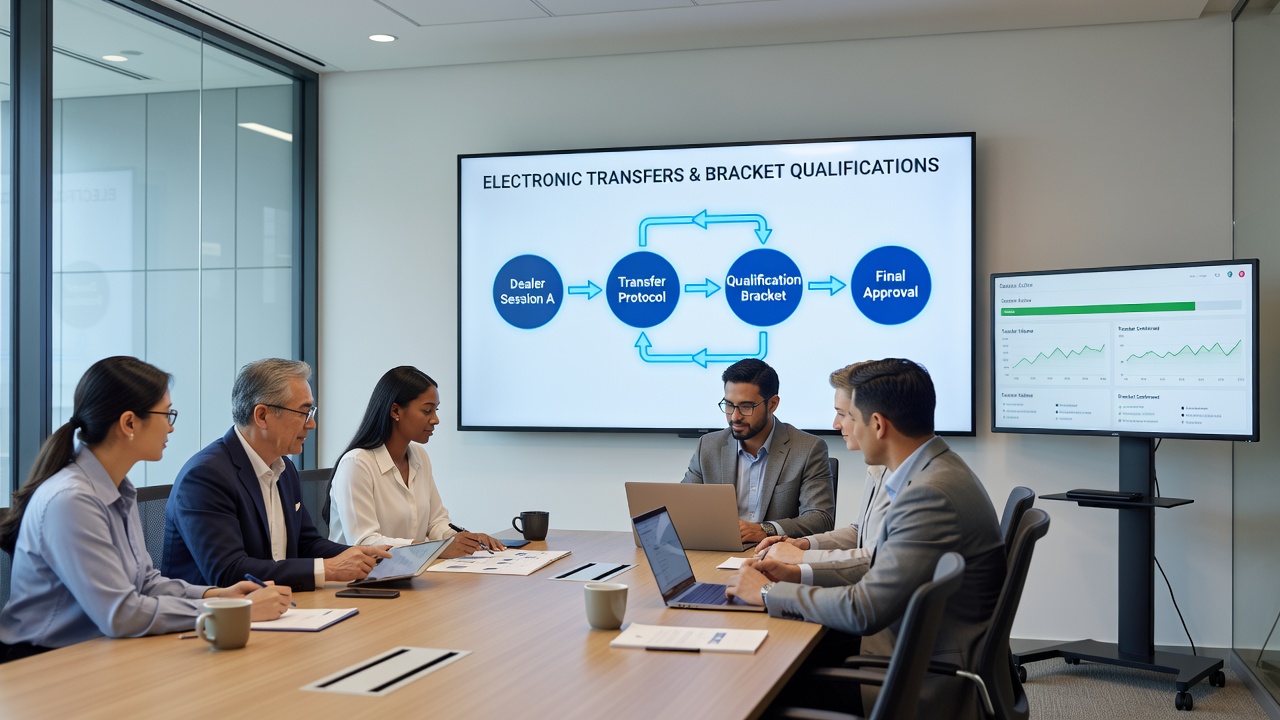
Platform logs also reveal that multi-currency support expanded during the same period, enabling seamless conversion at the moment of transfer so that bracket eligibility criteria expressed in one currency could still be met by incoming funds in another. Those monitoring these updates note that the conversion step occurs before the bracket allocator reads the net amount, which preserves fairness across participant pools using different denominations.
Security and Compliance Measures
Encryption protocols and segregated wallet structures protect transfer data while it travels between payment rails and bracket databases, and operators conduct periodic penetration testing to verify that qualification endpoints remain isolated from external manipulation. Compliance teams cross-reference transfer metadata against know-your-customer records before finalizing bracket assignments, a step that regulatory bodies in New Jersey and the Isle of Man both list as mandatory under their current technical specifications. Data from these jurisdictions shows that flagged transactions undergo secondary review without halting the broader qualification pipeline for other participants.
Future Integration Trends
Developers continue to refine application programming interfaces so that bracket qualification events can trigger conditional bonuses or session upgrades once a transfer clears, and early pilot programs in select markets have already demonstrated reduced administrative overhead. Trade reports compiled by the International Association of Gaming Regulators highlight how standardized data schemas for transfer-bracket linkages could streamline cross-border participation without compromising local oversight. Those examining pilot outcomes report that session attendance metrics remained stable even as qualification pathways grew more automated.
Conclusion
Electronic transfers now function as embedded components within bracket qualification workflows for dealer-hosted sessions, supported by regulatory standards, platform-level integrations, and security protocols that evolved through 2026. Jurisdictions continue to refine reporting requirements while operators adjust timing and currency handling to maintain consistent participant access across global sessions.