Interfacing Live Dealer Technologies with Cryptocurrency Triggers Across Baccarat Tournament Structures
Written by Jonas Franke · Aug 19, 2026
Interfacing Live Dealer Technologies with Cryptocurrency Triggers Across Baccarat Tournament Structures
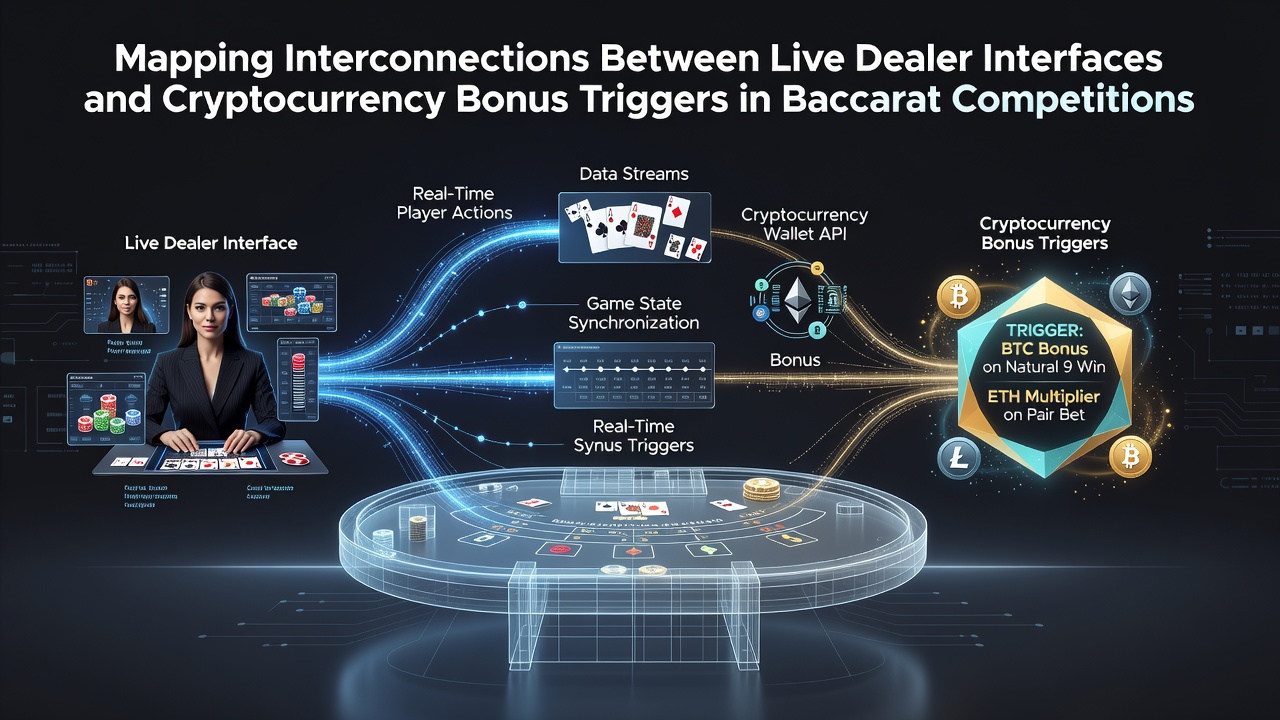
Live dealer platforms in baccarat competitions now incorporate direct application programming interfaces that connect player sessions to cryptocurrency wallet systems, allowing bonus activation based on specific in-game actions such as consecutive banker wins or tie bets reaching predefined thresholds. These connections operate through standardized data streams where the dealer interface transmits encrypted signals to backend servers that verify transaction hashes before releasing promotional credits in digital assets. Tournament operators have documented these linkages in system architecture reports since early 2025, with updates scheduled for broader implementation by August 2026.
Core Components of Live Dealer Interfaces in Competitive Baccarat
Modern live dealer setups rely on multi-camera arrays and optical character recognition software to process card values in real time, feeding this information into centralized tournament management software that tracks individual player metrics across multiple tables. Observers note that these interfaces maintain persistent connections to player accounts, logging every wager amount and outcome while simultaneously monitoring external wallet addresses for incoming cryptocurrency deposits. The resulting data packets enable conditional triggers where, for instance, a minimum cumulative bet volume of 500 units in a single session activates a bonus multiplier applied directly in the chosen digital currency.
Cryptocurrency Bonus Mechanisms and Activation Pathways
Bonus structures tied to cryptocurrency funding typically require players to complete a deposit using supported tokens before entering baccarat events, after which the system monitors gameplay patterns for qualifying conditions such as achieving a specific win rate or participating in a set number of hands. Research from industry technical reviews indicates that these triggers often involve smart contract executions on blockchain networks, releasing rewards automatically once on-chain verification confirms the criteria have been met without manual intervention from casino staff. Data from platform audits reveal integration points where the live dealer feed supplies timestamped event logs that the bonus engine cross-references against deposit records to prevent duplicate claims.
Mapping the Technical Interconnections During Tournaments
The mapping process begins with API endpoints that synchronize the live video stream metadata with wallet transaction ledgers, creating a unified event timeline for each participant. Tournament brackets in baccarat competitions utilize this synchronization to adjust prize pools dynamically when multiple players trigger bonuses simultaneously through coordinated plays, such as synchronized side bet activations. Figures from operational logs compiled through the first half of 2026 show that these interconnections reduce processing delays for reward distribution from several minutes to under thirty seconds in optimized systems. Experts have observed that security protocols, including multi-signature wallet approvals and encrypted session tokens, maintain separation between the dealer interface and financial layers while permitting seamless data exchange for verification purposes.
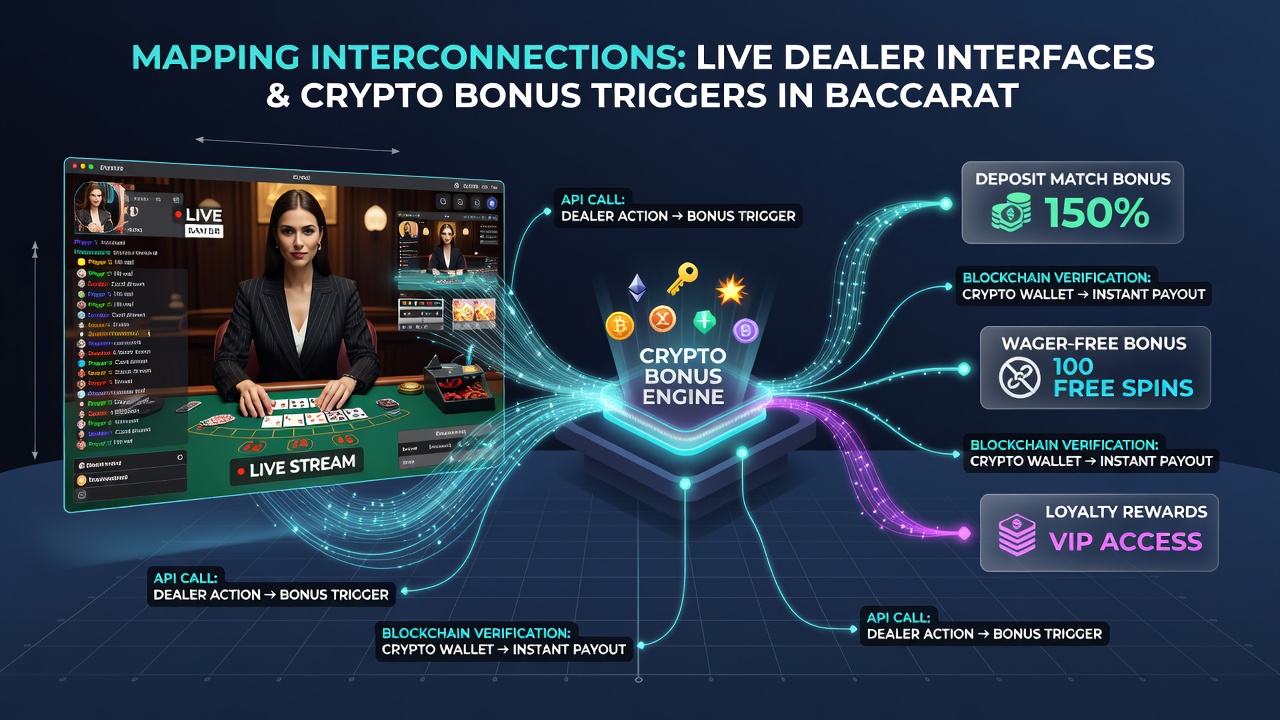
Additional layers involve compliance modules that reference regulatory guidelines from bodies such as the National Council on Problem Gambling to ensure bonus triggers align with responsible gaming parameters across jurisdictions. In August 2026 several major platforms plan to introduce enhanced mapping features that incorporate player preference settings, allowing individuals to route bonus outputs to specific cryptocurrency networks based on transaction fee structures at the time of activation.
Operational Examples from Recent Tournament Deployments
One documented case involved a series of international baccarat competitions where live dealer software detected a sequence of player-initiated cryptocurrency-funded wagers exceeding a threshold, automatically queuing bonus tokens for distribution at the conclusion of each round. Those overseeing these events reported that the system cross-checked video confirmation of card outcomes against the digital asset transfer records to validate eligibility before finalizing payouts. Similar configurations appear in mobile-optimized versions of the same platforms, where reduced-latency connections between the dealer feed and crypto gateways support continuous play without interrupting tournament progression.
Future Integration Trends Through 2026
Platform developers continue to refine these interconnections by incorporating machine learning models that predict likely bonus trigger points based on historical gameplay data aggregated from prior competitions. According to technical summaries released by the European Gaming and Betting Association, such predictive elements help tournament organizers allocate reserve funds more accurately for cryptocurrency rewards. Observers note that these advancements maintain focus on verifiable data flows rather than altering core game rules, preserving the integrity of baccarat as a competition format while expanding access pathways for participants using digital currencies.
Conclusion
The documented mappings between live dealer interfaces and cryptocurrency bonus triggers establish structured pathways for reward delivery within baccarat tournaments, supported by synchronized data protocols and verification layers. Continued refinements scheduled through August 2026 focus on reducing latency and expanding network options while adhering to established operational standards across regions. These systems rely on measurable connections that tournament operators track through comprehensive logging and cross-platform audits.