Mobile Devices Pave Alternative Routes to Baccarat Tournament Layers and Prize Structures
Written by Paul Schwarz · Aug 23, 2026
Mobile Devices Pave Alternative Routes to Baccarat Tournament Layers and Prize Structures
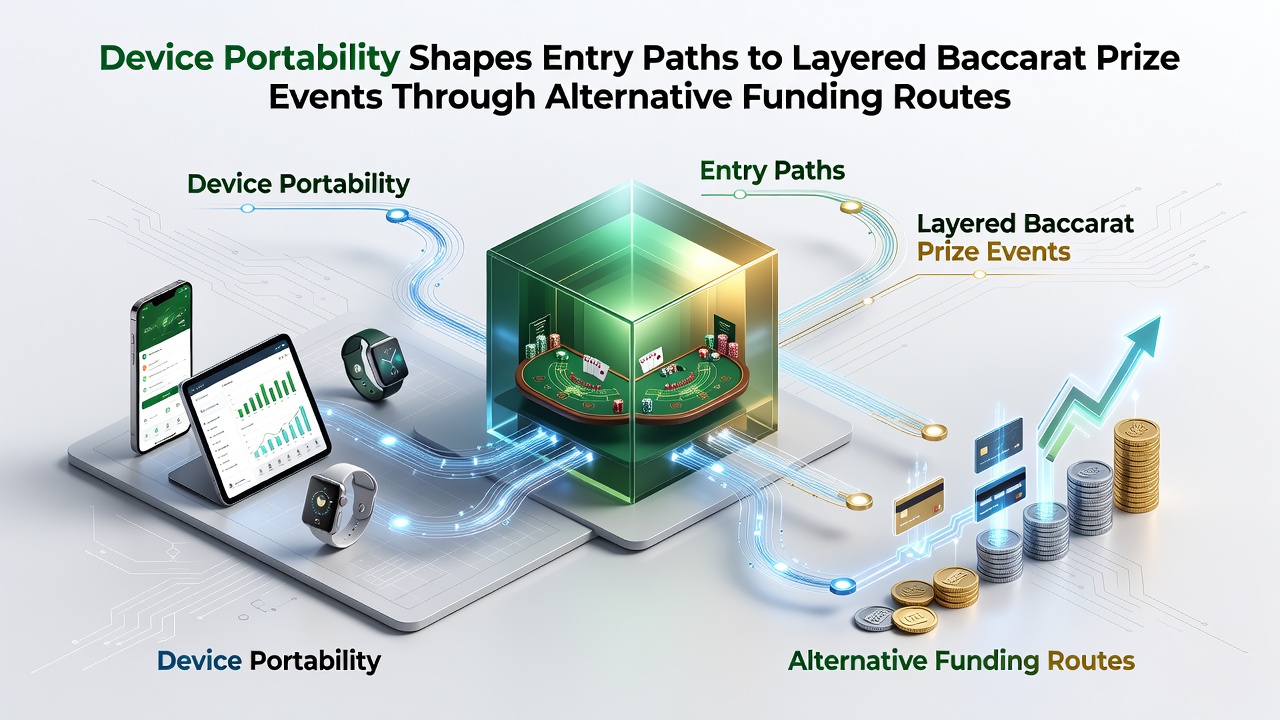
Portable technology continues to influence how players reach multi-tiered baccarat competitions, and data from various markets shows increased participation through smartphone applications and digital wallets during 2026. Observers note that device portability allows users to complete registration, deposit funds, and join qualifying rounds without needing desktop systems, while alternative funding methods such as cryptocurrency transfers and e-wallet services reduce processing times for entry fees into preliminary brackets.
Regulatory updates across several regions have coincided with these shifts, and figures released in August 2026 from North American gaming authorities indicate steady growth in mobile-based tournament entries compared with the previous year. Industry reports highlight that players in states with legal online access often use mobile platforms to navigate layered prize structures, where initial qualifiers lead to larger events with higher stakes and reward pools.
Device Features Supporting Tournament Access
Screen size, processing speed, and connectivity options on modern handheld devices enable real-time tracking of tournament brackets and live dealer sessions, and experts at research institutions have documented how these capabilities support entry into successive rounds without interruption. App developers have integrated secure authentication protocols that link directly to payment gateways, allowing participants to fund accounts through blockchain-based transfers that bypass traditional banking delays.
Case examples from Canadian operators demonstrate that mobile users complete deposits in under two minutes when employing digital currencies, and this speed aligns with the scheduling demands of multi-stage events that run across several days or weeks. Those who monitor market trends point to improved user interfaces that display prize ladders, qualification criteria, and remaining spots in real time, which helps entrants manage their paths through the layers.
Alternative Funding Methods in Practice
Cryptocurrency networks and instant payment services now serve as common channels for tournament fees, and statistics compiled by gaming associations in Australia reveal that over 35 percent of online baccarat entries in monitored jurisdictions during the first half of 2026 originated from non-bank sources. These routes provide verifiable transaction records that satisfy compliance requirements while offering lower fees than credit card processing in many instances.

Payment processors that specialize in gaming transactions have expanded support for stablecoins and regional digital wallets, and participants report smoother navigation through entry requirements when using these tools on portable hardware. Data from European trade groups shows similar patterns, where mobile funding options correlate with higher completion rates for qualifier stages that feed into main prize events.
Regional Developments and Market Data
Markets in Asia and the Americas display distinct adoption curves for mobile tournament access, and reports from academic studies at institutions such as the University of Nevada, Reno, track how device portability intersects with regulatory frameworks to shape participation numbers. In jurisdictions where online baccarat operates under clear licensing, portable platforms account for the majority of new registrations into layered competitions.
August 2026 saw several operators release updated applications that incorporate enhanced security layers for funding accounts, and these changes coincide with rising interest in multi-tier events that distribute prizes across qualifier, semi-final, and championship stages. Industry organizations note that players benefit from cross-device synchronization, which preserves progress and account balances when switching between phones and tablets during extended tournament schedules.
Integration of Technology and Payment Systems
Developers continue to refine application programming interfaces that connect mobile devices with cryptocurrency exchanges and licensed payment processors, and this integration supports seamless movement through the entry requirements of successive baccarat prize layers. Observers at research centers have recorded reduced dropout rates among participants who maintain continuous mobile access throughout qualification periods.
Security protocols embedded in these systems include biometric verification and encrypted transaction logs, and such measures align with standards set by oversight bodies in multiple countries. The combination allows entrants to monitor live updates, adjust strategies between rounds, and complete additional deposits without leaving the platform environment.
Conclusion
Portable devices and alternative funding channels have established measurable pathways into baccarat's tiered prize competitions, and ongoing data collection from regulatory and industry sources continues to document their combined effects on participation patterns through late 2026. Market participants encounter these options across diverse geographic areas where legal frameworks support digital access, and the infrastructure supporting these routes continues to evolve in response to user volume and compliance needs.