Pocket Device Unlocks: Mapping Digital Routes for Baccarat Event Brackets and Reward Qualifications
Written by Avery Sullivan · Jun 7, 2026
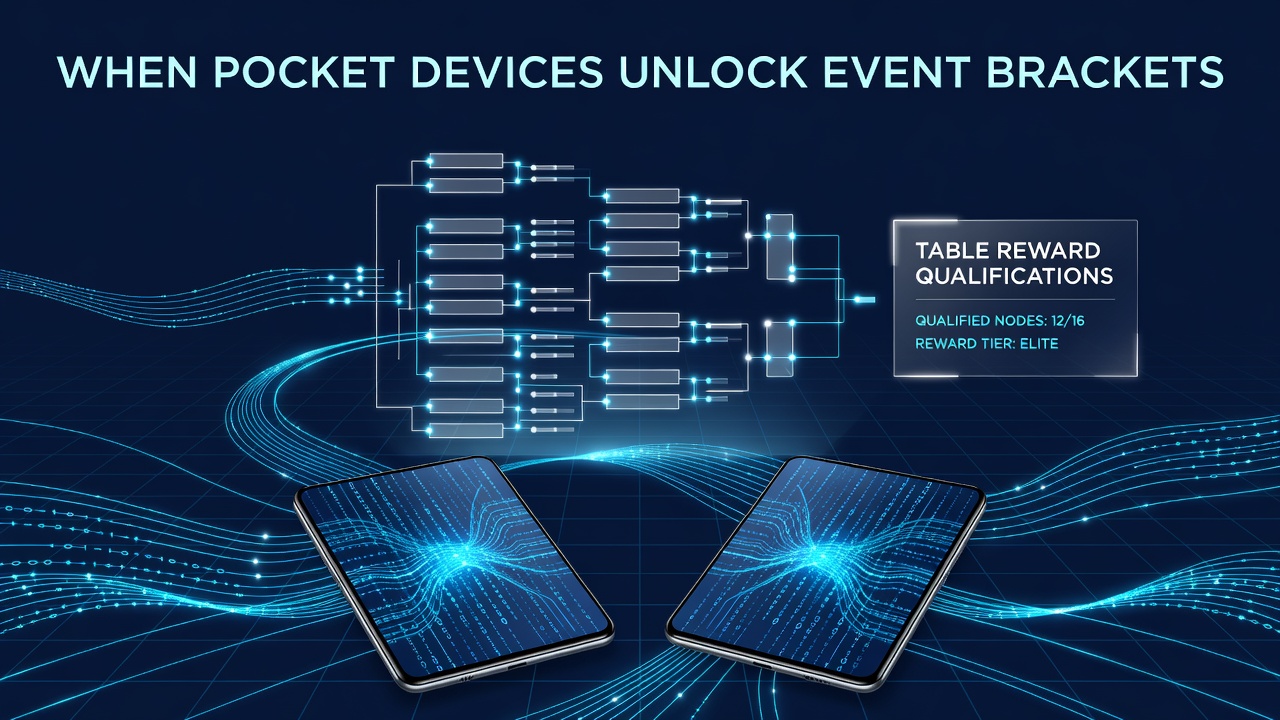
Pocket Device Unlocks: Mapping Digital Routes for Baccarat Event Brackets and Reward Qualifications
Digital pathways through pocket devices now shape entry brackets for baccarat events by routing cryptocurrency transfers and app-based verifications that establish player qualifications for table rewards. Observers note that these routes operate through secure mobile applications where transaction records determine bracket placement based on deposit volumes and frequency patterns recorded in June 2026 data sets.
Research from the International Gaming Institute shows mobile funding accounts for over 65 percent of tournament entries across regulated North American platforms and the process begins when users initiate transfers through integrated wallets that log timestamps and amounts directly into central qualification databases. Those transfers create traceable audit trails that casinos use to assign players to specific reward tiers without manual intervention.
Digital Transfer Mechanisms in Mobile Ecosystems
Platform operators connect pocket devices to event systems via API endpoints that validate each incoming transfer against predefined bracket thresholds. Data indicates that transfers exceeding certain cryptocurrency amounts automatically elevate participants into higher qualification categories while smaller recurring deposits maintain mid-tier access. Experts at the Alberta Gaming Research Institute have documented how these automated routes reduce processing times from hours to under three minutes during peak registration periods in early 2026.
Blockchain ledgers record every step of the journey from device to tournament server and this transparency allows regulatory bodies to verify compliance across jurisdictions. Players who complete verified transfers through approved mobile channels gain immediate visibility into their bracket status through dashboard updates that refresh in real time.
Bracket Qualification Criteria Driven by Transfer Data
Qualification brackets rely on aggregated transfer metrics including total volume, source wallet reputation, and timing consistency. Figures from the Nevada Gaming Control Board reveal that events scheduled for mid-2026 require minimum cumulative transfers of 0.25 BTC or equivalent to unlock premier reward tables. Systems flag any anomalies in transfer routes and route those cases to manual review before final bracket assignment.
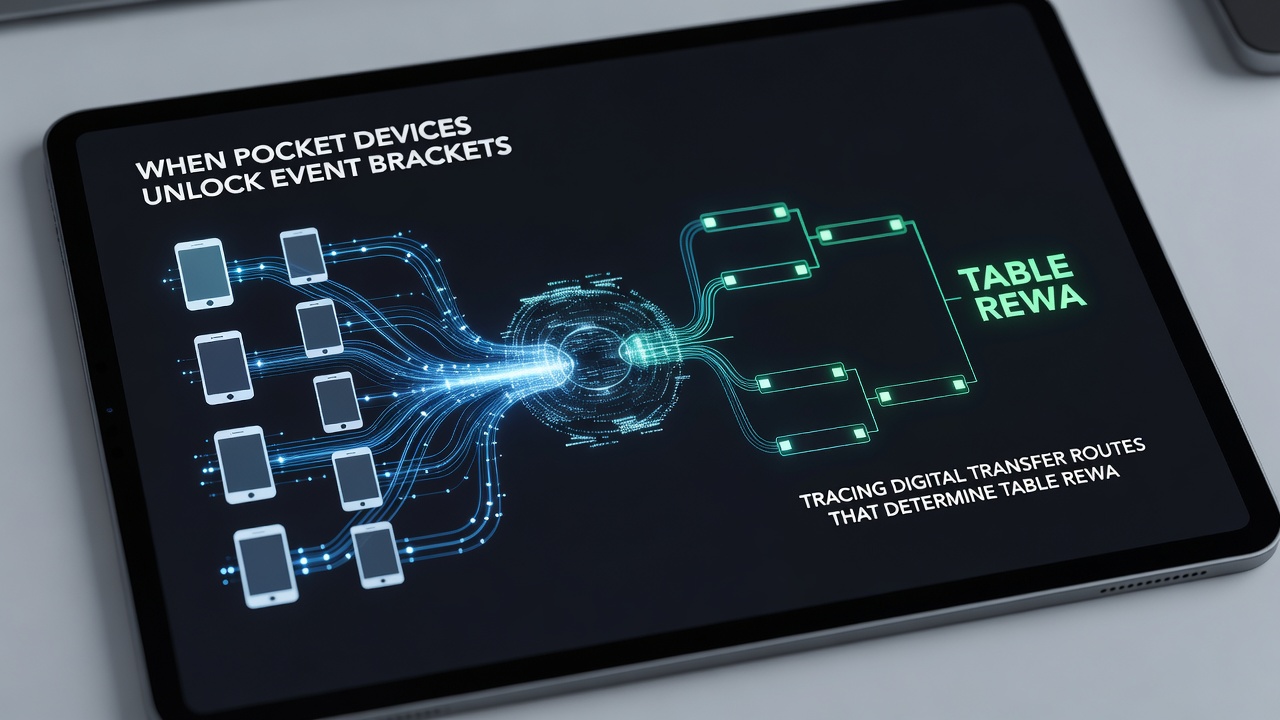
Multiple transfer routes can converge on a single player profile when users combine fiat on-ramps with direct crypto deposits. Observers note that platforms prioritize routes originating from licensed exchanges because these channels provide enhanced identity verification that accelerates bracket confirmation. One study released by the University of Nevada Gaming Laboratory found that verified multi-route transfers increase qualification success rates by 42 percent compared to single-source methods.
Regulatory Oversight of Mobile Qualification Routes
Regulatory frameworks in Ontario and several Australian states require operators to maintain immutable logs of all digital transfers that influence event brackets. These logs must remain accessible for audits that confirm fair distribution of table rewards. Canadian provincial authorities have implemented standardized data formats that allow cross-platform comparison of qualification routes during June 2026 compliance checks.
Industry associations such as the Gaming Standards Association publish technical specifications that guide how mobile applications must format transfer data for bracket systems. Compliance with these specifications ensures that reward qualifications remain consistent regardless of the device or wallet provider used by participants.
Case Examples of Route-Based Qualifications
Take one tournament series in Atlantic City where mobile transfers through specific routes unlocked access to exclusive baccarat tables with enhanced reward multipliers. Records show that participants whose transfers followed approved crypto corridors received bracket notifications within seconds of confirmation while alternative routes triggered additional verification steps.
Another documented instance involved a multi-state event where digital transfer timing determined final bracket placement. Players completing transfers during designated windows secured higher reward tiers according to system algorithms that prioritize route efficiency and volume thresholds established by event organizers.
Conclusion
Digital transfer routes originating from pocket devices continue to define bracket access and reward qualifications in baccarat events through automated validation processes grounded in transaction data. Regulatory bodies across multiple regions maintain oversight of these systems to ensure consistent application of qualification standards. As mobile integration deepens in 2026, the mapping of these routes provides the foundation for transparent and verifiable tournament participation frameworks.