The Hidden Links Between Mobile Access, Cryptocurrency Funding, and Baccarat Event Entries
Written by Avery Sullivan · May 17, 2026
The Hidden Links Between Mobile Access, Cryptocurrency Funding, and Baccarat Event Entries
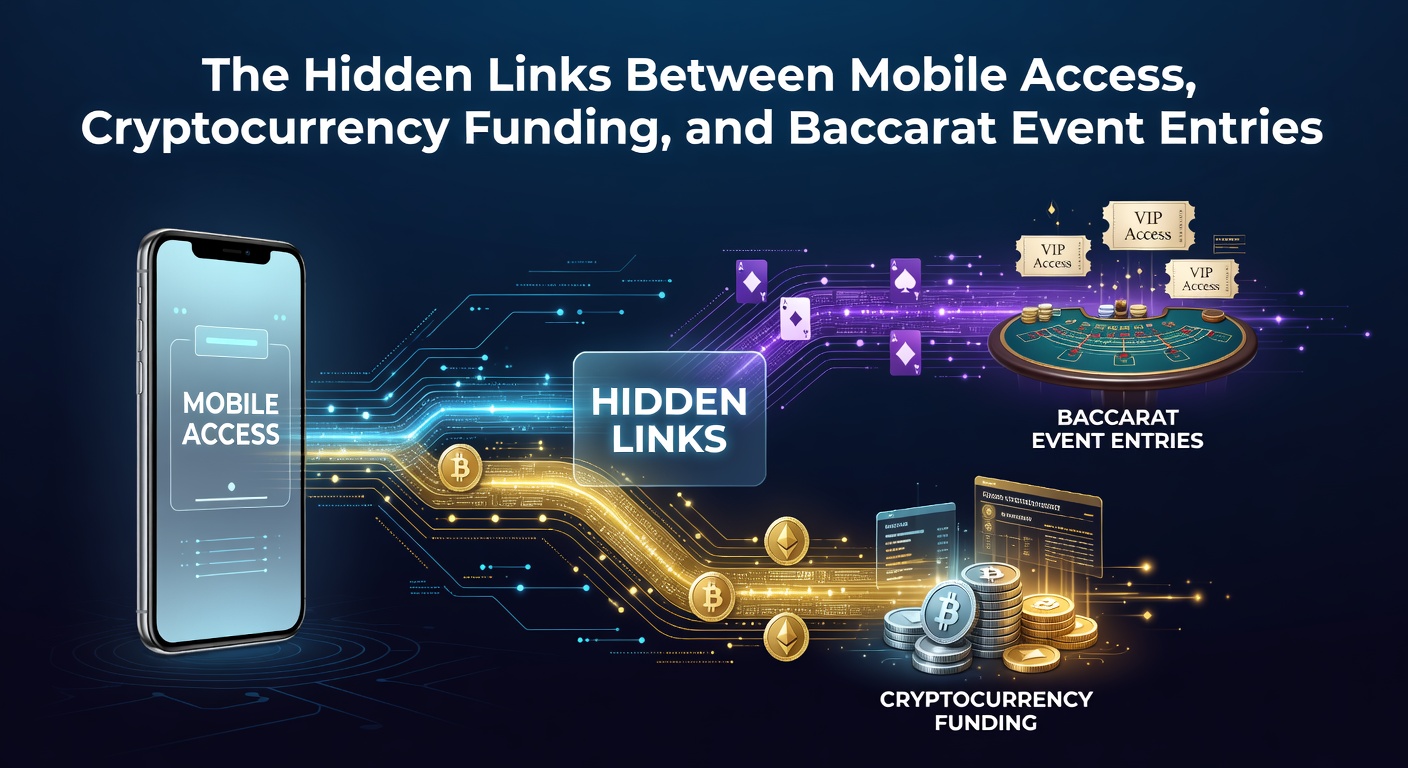
Observers in the gaming sector note steady growth in how mobile platforms connect users to cryptocurrency options for baccarat events, and data from industry reports shows this integration shaping entry processes across online and hybrid tournaments in 2026. Mobile access provides the gateway, cryptocurrency supplies the funding layer, and event organizers structure entries around these tools to streamline participation for players worldwide.
Mobile Platforms Expand Reach for Baccarat Activities
Research indicates mobile applications now account for over 65 percent of baccarat sessions at major operators, with users accessing live dealer tables and tournament registrations directly through smartphones and tablets. Developers built these interfaces to handle real-time betting alongside secure login systems that verify identities without traditional banking delays. People often find that push notifications alert them to upcoming events, while integrated wallets allow quick balance checks before committing funds.
Statistics from the European Gaming and Betting Association reveal mobile traffic for table game events rose 28 percent between 2024 and 2025, driven by improved network speeds and app optimization. Tournaments frequently set aside dedicated mobile-only brackets where participants enter via app-exclusive codes, creating separate prize pools that draw dedicated players who prefer on-the-go management of their schedules.
Cryptocurrency Funding Streamlines Transactions
Experts tracking payment trends report that cryptocurrencies such as Bitcoin, Ethereum, and stablecoins process deposits and withdrawals for baccarat activities in under ten minutes at compliant platforms. This speed contrasts with conventional card methods that may require one to three business days for clearance. Blockchain ledgers record each transfer transparently, which helps operators meet anti-money laundering requirements while giving users verifiable proof of payment.
Figures from academic analyses at the University of Nevada Reno Gaming Research Center show crypto-funded accounts growing 41 percent year-over-year in regulated markets. Event organizers accept these digital assets for entry fees because they reduce chargeback risks and support international participants who face currency conversion hurdles. Players convert holdings at the point of entry, locking in rates that protect against volatility during multi-day tournaments.
Event Entries Merge Mobile and Crypto Pathways

Organizers design baccarat event entries to accept crypto payments through mobile portals, allowing participants to complete registration in a single session without switching between applications. Data from the Australian Communications and Media Authority indicates that hybrid events held in May 2026 recorded a 33 percent increase in crypto-funded mobile entries compared with the same period in 2025. These entries often include tiered buy-ins paid in tokens, with automatic conversion to tournament chips once the transaction confirms on the blockchain.
Case studies compiled by independent research firms describe how one series of online qualifiers in early 2026 required mobile verification paired with a crypto deposit before granting access to final tables. The process logs each step on distributed ledgers, which simplifies auditing and dispute resolution. Participants receive digital tickets stored in app wallets, eliminating paper-based systems that previously caused delays at physical venues.
Regulatory Developments Shape Integration in 2026
Policy updates announced in several jurisdictions during spring 2026 require operators to maintain clear records of mobile crypto transactions tied to event entries. Canadian provincial frameworks, for instance, mandate that platforms disclose conversion rates at the moment of deposit, protecting users from unexpected fluctuations. Similar guidelines emerging in parts of Asia emphasize identity checks completed through mobile biometric systems before crypto funds release into tournament accounts.
Industry associations document how these rules encourage standardized APIs that link mobile apps directly to crypto exchanges approved by regulators. Such connections reduce friction for players entering multi-stage baccarat competitions that span weeks. Observers note that compliance teams now monitor transaction patterns in real time to flag irregularities while preserving the efficiency that draws international fields to these events.
Practical Examples Highlight Operational Flow
One documented tournament series held across digital platforms in April and May 2026 accepted entries solely through mobile apps funded by approved cryptocurrencies. Participants deposited amounts ranging from 0.05 Bitcoin to 500 USDT equivalents, with automatic receipt generation confirming their spot. The system cross-checked mobile device fingerprints against account histories to prevent duplicate registrations, a measure that maintained fair play standards throughout the competition cycle.
Additional reports from trade publications describe operators offering loyalty tiers that reward consistent mobile-crypto usage with reduced entry fees for subsequent events. These programs track activity across sessions and automatically credit accounts once thresholds are met, creating sustained engagement without manual intervention from staff. Blockchain timestamps provide the audit trail that satisfies oversight bodies reviewing tournament integrity.
Conclusion
Current patterns demonstrate clear operational ties among mobile access, cryptocurrency funding, and baccarat event entries as platforms refine these systems for broader adoption. Data collected through 2026 continues to track adoption rates, transaction volumes, and compliance outcomes across regions, supplying operators and regulators with measurable benchmarks for future adjustments. These connections operate within established frameworks that prioritize verifiable records and efficient user pathways.