Tracing App-Based Reward Mechanisms to Cryptocurrency Tournament Entries in Baccarat
Written by Paul Schwarz · Jul 29, 2026
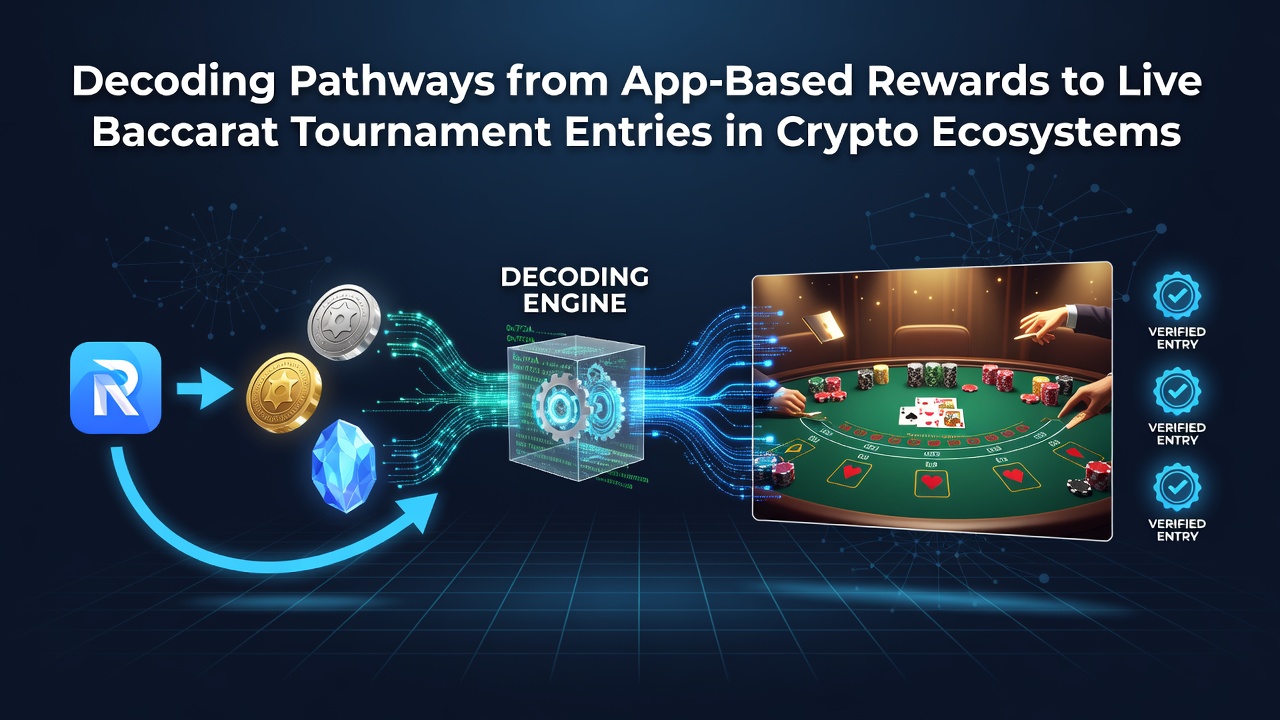
Tracing App-Based Reward Mechanisms to Cryptocurrency Tournament Entries in Baccarat
Data from multiple gaming platforms shows that users accumulate points through daily logins, deposit streaks, and in-app challenges, then convert those points into cryptocurrency holdings that satisfy entry thresholds for live baccarat tournaments. These systems operate across mobile ecosystems where reward ledgers sync directly with wallet addresses, allowing seamless transfer without traditional banking intermediaries.
How Reward Accumulation Works in Mobile Applications
Application developers structure point systems around specific player actions such as completing tutorial sequences, achieving daily login milestones, or participating in limited-time events that run through July 2026 across several North American and Asian servers. Each completed task adds quantified value to a user profile that operators later exchange at fixed ratios for stablecoins or native tokens. Those tokens then appear in linked crypto wallets, where platform rules require minimum balances before any tournament registration activates. Observers note that this layered approach reduces friction for participants who already maintain digital asset accounts while creating measurable pathways from casual play to competitive brackets.
Integration Points Between Rewards and Crypto Wallets
Platform operators establish application programming interfaces that push reward balances into blockchain networks at scheduled intervals, typically every 24 to 48 hours. Once transferred, the cryptocurrency becomes visible in tournament dashboards that scan wallet activity in real time. This connection means players who reach a predetermined point total receive automatic eligibility notifications without separate manual claims. Research conducted by the Asia-Pacific Gaming Association indicates that such automated handoffs increased registered tournament participants by measurable percentages between 2024 and 2025, particularly among users who accessed platforms through mobile devices rather than desktop interfaces.
Security protocols require two-factor authentication at both the app and wallet layers before any transfer completes. Operators also maintain transaction logs that comply with regional financial reporting standards in jurisdictions that permit cryptocurrency use for gaming activities. Those records allow verification teams to confirm that reward-derived funds meet anti-money-laundering thresholds before tournament access opens.
Entry Requirements for Live Baccarat Tournaments
Live baccarat events hosted on crypto-enabled platforms list explicit cryptocurrency deposit or balance requirements that reward pathways directly satisfy. Tournament organizers publish bracket structures that separate participants by entry tier, with lower tiers accepting smaller token amounts and higher tiers requiring larger holdings that often come from accumulated app rewards. Data released by the Canadian Gaming Association shows steady growth in these tiered events throughout early 2026, with participation numbers rising in provinces where online gaming regulations permit cryptocurrency transactions.
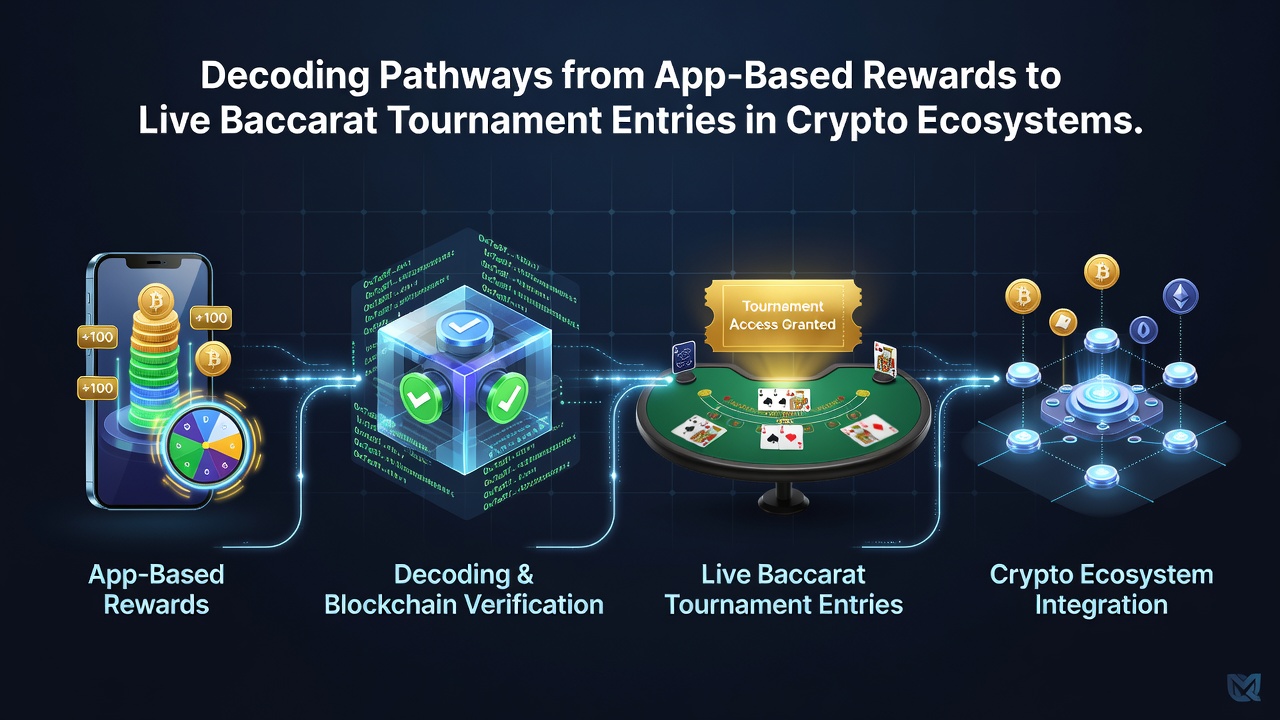
Entry windows typically open several days before each scheduled session, giving players time to convert remaining reward points into the required token amounts. Some operators extend conversion deadlines until 48 hours prior to the event start, after which the system locks balances and generates final participant lists. Those lists feed directly into dealer software that manages live tables streamed from licensed facilities in jurisdictions such as Malta and the Isle of Man.
Regulatory and Technical Considerations Across Regions
Government bodies in Australia and several European Union member states require operators to maintain separate ledgers for reward-derived cryptocurrency versus player-funded deposits. This separation helps regulators track the origin of funds used in tournament entries and ensures compliance with local financial oversight rules. Industry reports from the European Gaming and Betting Association highlight that such tracking mechanisms have become standard practice for platforms operating multi-jurisdictional events in 2026.
Technical teams implement smart contract functions that verify wallet balances at the moment of registration and again at tournament start to prevent balance manipulation. These contracts execute automatically once a player submits an entry request, confirming that reward-sourced tokens meet or exceed published minimums. Players receive confirmation receipts that include transaction hashes for their own records.
Conclusion
The documented pathways from app rewards through cryptocurrency conversion to live baccarat tournament registration continue to expand as more platforms adopt integrated wallet systems. Figures released by regulatory and industry organizations demonstrate consistent participation growth when these mechanisms function without interruption. Operators maintain ongoing updates to meet evolving compliance standards while preserving direct connections between mobile reward activity and competitive event access.