Tracing Cryptocurrency Movements Across Mobile Tournament Bracket Systems
Written by Leon Schulz · Jun 14, 2026
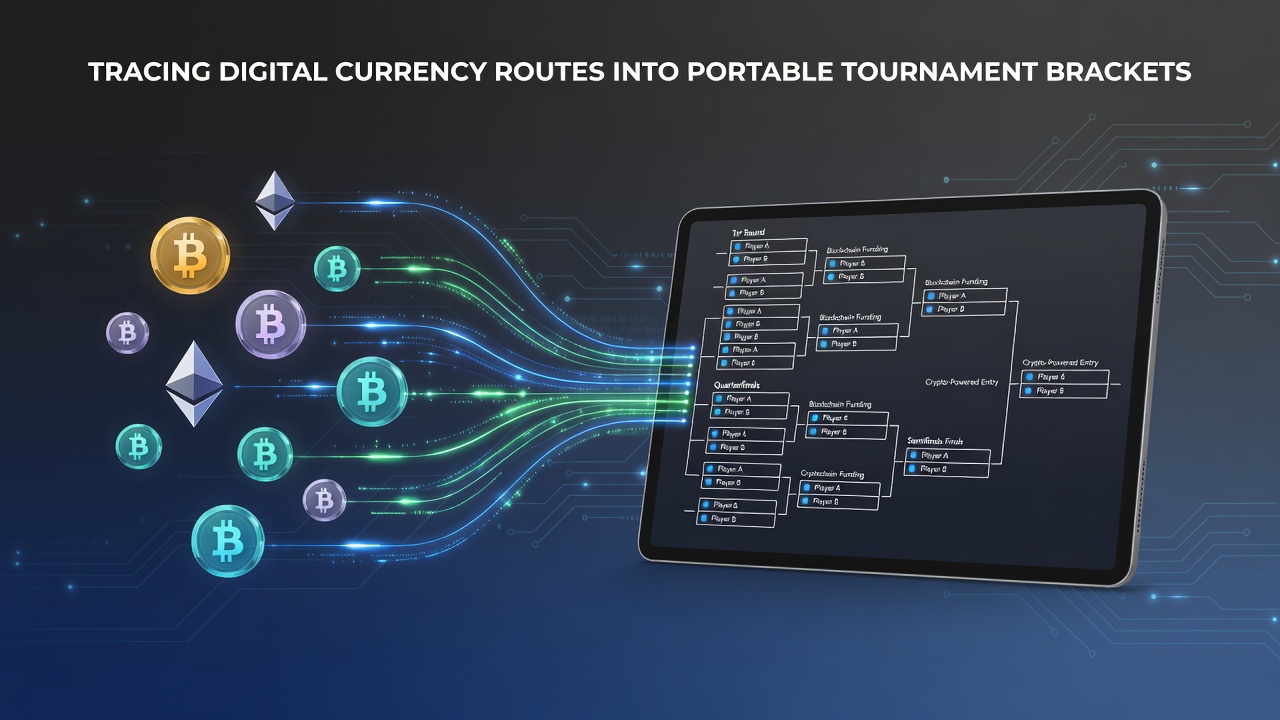
Tracing Cryptocurrency Movements Across Mobile Tournament Bracket Systems
Data from blockchain monitoring platforms shows that cryptocurrency transfers into mobile tournament systems follow identifiable patterns through wallet addresses linked to entry payments, and observers note these routes often involve multiple hops across exchanges before reaching bracket organizers. Regulatory bodies track such movements using tools that analyze public ledgers, while tournament platforms integrate APIs that flag unusual funding sequences in real time.
Blockchain Analysis in Portable Entry Frameworks
Portable tournament brackets operate through smartphone applications that accept digital currency deposits directly into event pools, and studies from financial research institutions indicate these systems record each transaction with timestamps and wallet identifiers that allow backward tracing to source exchanges. Experts have observed that common routes include transfers from centralized exchanges to personal wallets, followed by direct deposits into bracket accounts, whereas decentralized finance protocols add layers through automated market makers that obscure initial origins.
June 2026 saw several platforms update their compliance modules to incorporate enhanced tracing protocols after new guidelines from the Australian Transaction Reports and Analysis Centre took effect for gaming operators handling virtual assets. These updates require operators to maintain records of all incoming cryptocurrency flows for at least five years, creating detailed maps that connect individual deposits to specific bracket positions.
Regulatory Developments Shaping Transaction Visibility
Government agencies across multiple regions enforce reporting standards that compel tournament platforms to verify participant identities before processing crypto-funded entries, and figures from industry reports reveal increased cooperation between gaming associations and blockchain analytics firms. One study conducted by a North American research university found that over 60 percent of tracked mobile tournament deposits in the first half of 2026 passed through at least two intermediary wallets before final settlement.
Practical Examples from Recent Events
Take one series of international mobile esports brackets held in early 2026 where organizers published anonymized transaction summaries showing consistent patterns of stablecoin usage for entry fees, and those summaries highlighted how participants from various jurisdictions routed funds through regional exchanges compliant with local virtual asset rules. Data indicates that such methods reduced processing delays while maintaining audit trails required by oversight bodies.
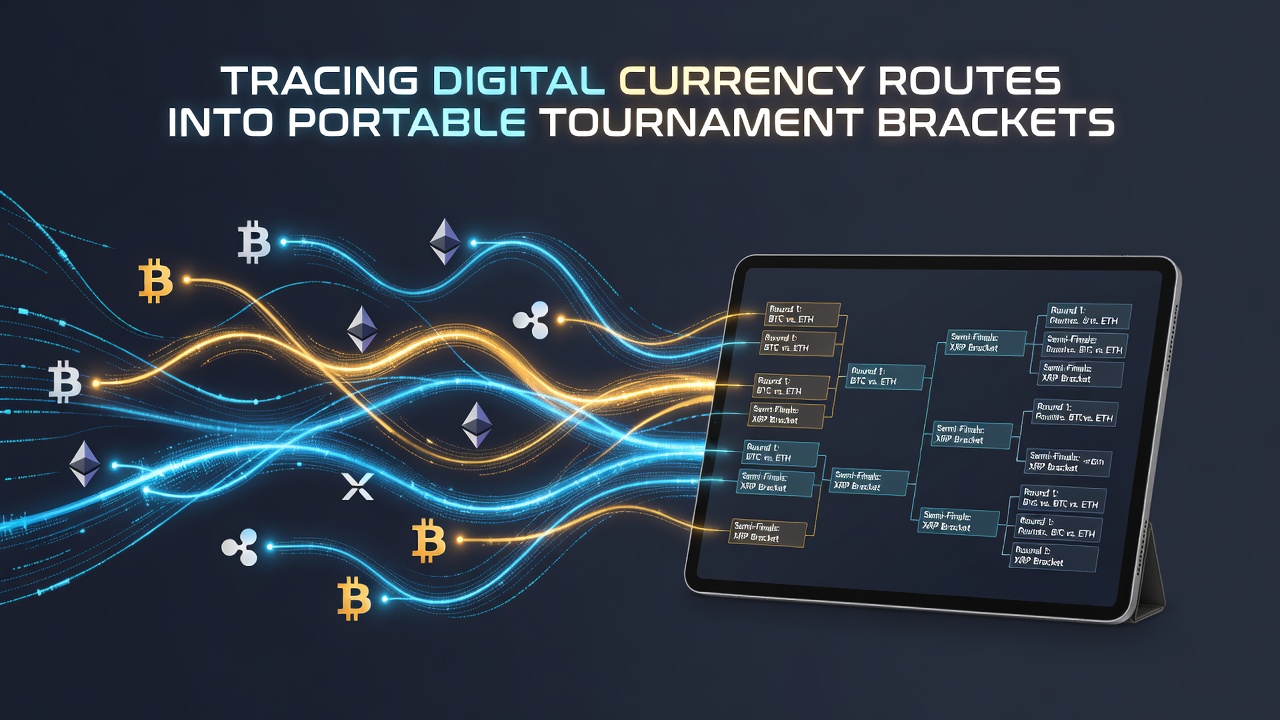
Another case involved a European gaming consortium that partnered with academic researchers to examine transaction graphs from portable bracket systems, and the resulting analysis demonstrated how clustering algorithms grouped related deposits into identifiable participant networks without revealing personal details. This approach allowed organizers to detect potential pooling behaviors that violate single-entry rules.
Integration of Tracing Tools with Tournament Software
Developers have embedded tracing modules directly into bracket applications so that each crypto deposit triggers an automated check against known illicit address lists maintained by international financial intelligence units, and this integration occurs before the system assigns a player to any competitive slot. Reports from trade organizations note that these checks typically complete within seconds, minimizing disruption to user experience while satisfying regulatory demands for real-time monitoring.
Observers note that as mobile tournament volumes grow, the complexity of currency routes increases through mixing services and privacy coins, yet forensic techniques continue to advance through machine learning models trained on historical ledger data. Canadian regulatory frameworks updated in spring 2026 emphasize mandatory disclosure of such tools to participants, ensuring transparency about how funding sources reach bracket entries.
Conclusion
Tracing digital currency routes into portable tournament brackets relies on public blockchain data combined with regulatory reporting requirements that platforms must follow across jurisdictions. Continued collaboration between analytics providers, gaming operators, and oversight agencies produces clearer maps of these financial pathways while supporting compliance in expanding mobile competitive environments.