Tracing Cryptocurrency Transfers to Mobile Registrations in Baccarat Tournament Access
Written by Paul Schwarz · Aug 19, 2026
Tracing Cryptocurrency Transfers to Mobile Registrations in Baccarat Tournament Access
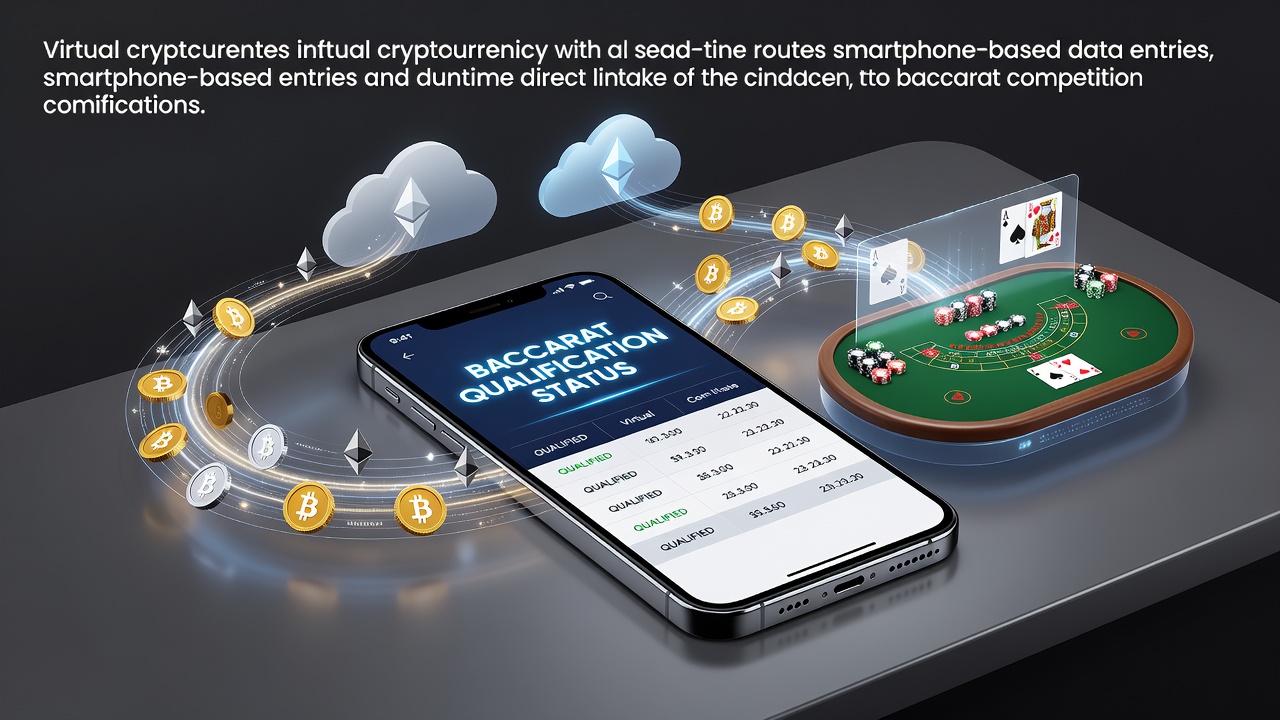
Virtual currency transfers now feed directly into smartphone platforms that manage baccarat event sign-ups, and data from multiple markets shows these routes have expanded steadily through mid-2026. Operators link wallet addresses to player accounts on mobile applications, which then record deposits as qualifying activity for bracket placements and prize pools. Figures released in August 2026 by regional gaming authorities indicate that crypto-funded entries accounted for measurable portions of total tournament participation in several jurisdictions.
Payment rails built on blockchain networks allow instantaneous movement from exchange accounts to casino wallets, after which the funds appear as table credits within the mobile interface. Once credited, the same balance triggers eligibility tracking systems that monitor play volume, entry fees, and completion of required rounds. Observers note that these integrated pathways reduce the steps between funding and competition registration, since a single transaction sequence can satisfy both deposit requirements and qualification thresholds.
Wallet-to-App Data Flows
Developers embed API connections that pull transaction hashes from supported blockchains and match them against registered user profiles. When a transfer completes, the application updates the player's available credit and simultaneously logs the activity toward any active qualification ladders. Studies conducted by industry research groups have documented average processing times dropping below thirty seconds for major coin networks during peak periods in 2026.
Security protocols require multi-factor confirmation at both the wallet and the app layer, while compliance teams retain records of each transfer for audit purposes. Regulatory filings from the New Jersey Division of Gaming Enforcement detail how operators must maintain immutable logs that link specific wallet addresses to verified player identities before tournament brackets open.
Qualification Thresholds and Bracket Placement
Tournament organizers set minimum deposit or play-through amounts that mobile systems automatically verify through the same crypto route. Players who route funds via approved coins often see their entries confirmed faster because the transaction record serves as proof of payment. Data compiled by the Singapore Casino Regulatory Authority shows that crypto-linked entries in 2026 filled a growing share of available slots compared with traditional bank transfers.
Bracket seeding sometimes incorporates metrics such as total volume transferred or frequency of mobile logins tied to funded accounts. Those metrics feed ranking algorithms that determine initial table assignments and advancement priority. One documented case involved a series of events where participants using specific stablecoin routes received automatic qualification boosts after reaching cumulative transfer milestones tracked by the platform.

Regulatory and Reporting Requirements
Authorities in multiple regions now require operators to disclose the proportion of tournament entries funded through virtual assets. Reports submitted to the Malta Gaming Authority in August 2026 listed precise percentages of crypto-based qualifications across licensed platforms. These disclosures help regulators assess money-flow patterns and verify that qualification systems remain transparent.
Operators must also implement controls that flag unusual transfer volumes or rapid sequences of deposits followed by immediate withdrawals. Such monitoring occurs within the same mobile infrastructure that handles bracket management, creating a unified view of funding and competition activity. Industry associations have published guidelines recommending standardized data fields that capture both blockchain identifiers and player account numbers in a single record.
Platform Integration Examples
Multiple mobile applications now display real-time qualification meters that update as soon as a crypto transfer settles on the connected network. Players view pending entries, required play-through remaining, and current bracket position within one dashboard. Research from academic gaming studies indicates that unified interfaces of this type correlate with higher completion rates for multi-stage tournaments.
Case examples include platforms that automatically convert incoming coins to the event's base currency at prevailing rates, then apply the converted amount toward qualification. The conversion step occurs inside the application before the balance appears on the virtual table, ensuring consistent valuation across all participants regardless of which coin they initially transferred.
Conclusion
The linkage between cryptocurrency routes, smartphone table entries, and baccarat competition qualifications rests on integrated transaction logging, automated verification, and regulatory reporting frameworks that continue to evolve. Data gathered through August 2026 demonstrates measurable adoption across several markets, supported by technical connections that map wallet activity directly to mobile qualification systems. Operators, regulators, and platform developers maintain these connections through standardized protocols and ongoing compliance measures that treat each transfer as both a funding event and a competition entry record.