Unpacking Networked Incentives Across Mobile Platforms, Digital Currencies, and Baccarat Tournaments
Written by Avery Sullivan · Jul 1, 2026
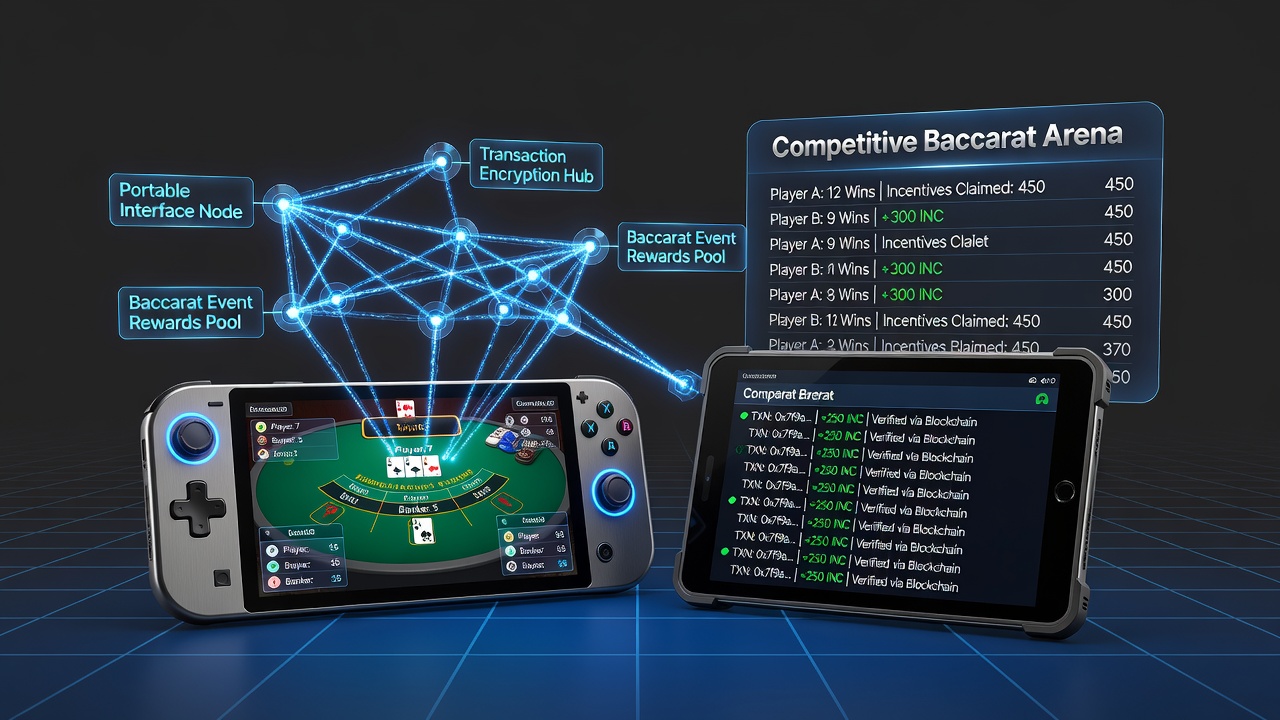
Unpacking Networked Incentives Across Mobile Platforms, Digital Currencies, and Baccarat Tournaments
Portable gaming interfaces now connect directly with encrypted transaction systems to create layered incentive structures that support competitive baccarat events, and these connections shape how participants access tournaments while earning rewards. Data from industry monitoring groups shows that mobile applications handle entry processes and prize distributions through cryptocurrency channels in multiple jurisdictions, which reduces processing times and links player activity across devices to event outcomes.
Portable Interfaces as Entry Points
Smartphone and tablet applications serve as primary gateways for baccarat competitions, and these platforms integrate registration, live tracking, and reward claims into single dashboards. Observers note that developers embed incentive triggers such as streak bonuses or qualification thresholds directly into the interface code, which then activate when players complete encrypted deposits or achieve specific win rates during tournament rounds. Research indicates that such designs allow real-time updates to player profiles without requiring separate verification steps, and this efficiency supports larger event scales.
Encrypted Transactions Driving Reward Flows
Cryptocurrency networks facilitate the movement of entry fees and payouts in these systems, and blockchain ledgers record each transfer with timestamps that align with tournament schedules. Figures from regulatory bodies in various regions reveal that encrypted methods now account for a growing share of digital gaming settlements, which enables instant crediting of incentive points that convert into additional tournament entries or multiplier effects on winnings. Those who track transaction volumes point out that the transparency of distributed ledgers helps organizers verify participation eligibility while maintaining separation between player identities and financial details.
Linking Incentives to Competitive Baccarat Events
Competitive baccarat tournaments incorporate mobile and crypto elements to form closed-loop reward cycles, and participants often receive tiered benefits based on cumulative activity across both platforms. One documented pattern involves mobile apps issuing encrypted tokens upon reaching qualification milestones, and these tokens then unlock entry to higher-stakes brackets or grant access to side events scheduled for July 2026 in select markets. Studies from gaming research institutions demonstrate that such interconnections increase retention rates because rewards accumulate across sessions rather than resetting after each event.

Event organizers coordinate with payment processors to embed incentive rules into smart contracts, which automatically distribute prizes once final standings are confirmed on the blockchain. This approach minimizes manual reconciliation, and data from trade associations shows reduced dispute rates in events that adopt these automated pathways. Observers have recorded cases where players accumulate loyalty multipliers through repeated mobile logins that directly influence their seeding positions in upcoming baccarat competitions.
Geographic Variations in System Adoption
Regulatory environments influence how these interconnected incentives operate, and jurisdictions with established frameworks for digital assets tend to see faster integration of mobile-crypto-baccarat linkages. Reports from the Nevada Gaming Control Board highlight steady growth in the number of licensed platforms offering combined mobile access and cryptocurrency settlement for table game tournaments, while parallel developments in Australian markets tracked by the Australian Communications and Media Authority show similar patterns in reward qualification pathways. European data compiled by the European Gaming and Betting Association further indicates that cross-border events increasingly rely on encrypted transaction rails to standardize incentive delivery regardless of player location.
Technical Mechanisms Behind the Connections
Application programming interfaces bridge mobile gaming software with blockchain nodes, and these connections allow incentive systems to update in response to live tournament data. Developers implement encryption protocols that secure both financial transfers and player progress records, which prevents tampering while preserving audit trails. Evidence from academic papers on distributed ledger applications in entertainment sectors suggests that such architectures support scalable event sizes without proportional increases in operational overhead.
Future Tracking of Incentive Performance
Monitoring organizations continue to collect metrics on how mobile interfaces and encrypted transactions affect participation in baccarat competitions, and preliminary 2026 figures point to expanded use of hybrid reward models. These models tie portable device engagement directly to cryptocurrency-based prize pools, creating measurable links between daily play patterns and major event outcomes.
Conclusion
The integration of portable gaming interfaces with encrypted transactions forms functional incentive networks that underpin competitive baccarat events, and available data confirms ongoing expansion of these linkages across regulated markets. Continued observation of transaction volumes, mobile engagement statistics, and tournament participation rates will clarify the long-term structure of these systems.